
Bachelor's Degree · 🇬🇧 United Kingdom
Bachelor's Degree in Hospitality Management in United Kingdom
The definitive 2026 guide to Bachelor's in Hospitality Management in the UK. Explore top universities, tuition fees, placement years, and the UK Graduate Visa pathway.
Written by
Marc Delacroix
Former GM, Four Seasons & Rosewood · 22 years in luxury hospitality
Reviewed by Dr. Priya Menon — PhD, Cornell School of Hotel Administration · Senior Advisor, HSMAI
- Industry Contribution
- £140B+
- Typical Duration
- 3-4 Years
- Avg. International Fee
- £19,500
- Graduate Outcomes
- 92%
Key takeaways
- UK Hospitality degrees act as business degrees specializing in service-sector management.
- The 'Sandwich Year' placement is a vital career-building tool unique to British education.
- London is the world’s leading 'living lab' for luxury and boutique hospitality.
- The Graduate Visa allows international students to work in the UK for 2 years post-study.
- Strong focus on Revenue Management, Sustainability, and Digital Transformation.
Overview
The Gold Standard in Hospitality Business Education
Pursuing a Bachelor’s degree in Hospitality Management in the United Kingdom is a strategic move for those aiming to lead in one of the world's most dynamic service economies. In 2026, the UK stands at the forefront of hospitality education, blending centuries of tradition in service excellence with cutting-edge business analytics and sustainable practices.
Unlike programs in other regions that might focus heavily on the vocational aspects of "hosting," the British Bachelor's degree—typically a BA (Hons) or BSc (Hons) Hospitality Management—is fundamentally a business degree. It treats the hotel, restaurant, or event space as a complex commercial entity. Students are trained not just to manage guests, but to manage assets, lead diverse teams, and navigate the intricate digital landscape of modern tourism.
Why the UK in 2026?
The UK offers a unique educational ecosystem. With institutions consistently ranking in the top 10 globally for Hospitality & Leisure Management (QS World University Rankings), the quality of instruction is world-class. Furthermore, the UK’s geographic position as a gateway between Europe, the Middle East, and the US makes it a networking "super-hub."
A Bachelor's degree here is distinct for two reasons: its academic rigor and its industry integration. Most programs offer a "Sandwich" year—a year-long professional placement that allows students to gain full-time, paid experience with global brands before they even graduate. This integration ensures that by the time you receive your diploma, you are not a novice; you are a professional with a year of management-level experience under your belt.
A Degree for the Modern Era
In 2026, UK universities have pivoted to address global challenges. Sustainability is no longer an elective; it is woven into the fabric of the curriculum. From reducing carbon footprints in large-scale resorts to managing "eco-luxury" boutiques, the UK graduate is equipped for the future. Whether your goal is to manage a skyscraper hotel in Dubai, a tech-forward startup in London, or a global event series, the UK Bachelor's provides the prestige and the practical toolkit to get you there.
Industry snapshot · United Kingdom
The UK Hospitality Landscape in 2026
The United Kingdom's hospitality sector remains a cornerstone of the national economy, contributing over £140 billion annually and employing approximately 3.5 million people. As we move into 2026, the industry has evolved from a traditional service model into a high-tech, data-driven powerhouse.
A Global Hub for Innovation
London remains the undisputed global capital for luxury hospitality, housing some of the world’s most iconic brands—from The Ritz and Claridge’s to innovative disruptors like Hoxton and CitizenM. This concentration of world-class brands provides students with an unparalleled "living laboratory." Beyond the capital, cities like Edinburgh, Manchester, and Birmingham have emerged as secondary hubs, specializing in conference tourism and boutique lifestyle brands.
The "Experience Economy" Shift
The UK industry is currently defined by the "Experience Economy." Post-pandemic consumer behavior has shifted spending from goods to experiences. This has spurred massive investment in Competitive Socializing (e.g., Flight Club, Swingers), hybrid hospitality (spaces that blend co-working with lodging), and sustainable tourism. For a Bachelor's student, this means the curriculum isn't just about "hotels"—it's about managing complex, multi-use social spaces.
Post-Brexit Resilience
While Brexit initially created labor challenges, it has forced the UK industry to professionalize further. There is now a premium on high-skilled management to drive efficiency through technology. This shift has benefited degree-holders, as companies are increasingly looking for "management-ready" graduates who can handle complex revenue management, labor laws, and digital transformation—skills that a Bachelor's degree explicitly provides.
According to UKHospitality (the peak industry body), the sector's growth is increasingly driven by domestic staycations and the return of high-spending international travelers from Asia and North America, ensuring a robust job market for 2026 graduates.
Curriculum
What You Will Study: The British Curriculum Model
Bachelors in Hospitality Management in the UK (BA or BSc Hons) are designed to bridge the gap between vocational skill and corporate strategy. Unlike Swiss schools which focus heavily on craft in the first year, UK degrees are academically rigorous from the outset, focusing on the *business* of hospitality.
Academic Structure
Most programs last 3 years (Full-time) or 4 years (with a Placement Year).
- Year 1: Foundations of Service: Modules include Introduction to Food & Beverage Operations, Marketing for Hospitality, Organizational Behavior, and Accounting. You’ll learn how hotels and restaurants function at a ground level.
- Year 2: Management & Professionalism: The focus shifts to Management Accounting, Human Resources, Revenue Management, and Industry Analytics. Students often select electives in Event Management or Luxury Marketing.
- Year 3: Strategic Leadership: The final year involves high-level strategic modules: Corporate Finance, Global Innovation, Sustainable Tourism, and a major Dissertation or Consultancy Project where you solve a real-world business problem.
The "Sandwich" Year (Placement)
The hallmark of the UK Bachelor's is the Placement Year between Year 2 and Year 3. Universities have dedicated placement offices that help students secure year-long paid roles with partners like Marriott, The Savoy, Disney, or Hilton. This year is crucial for building a professional network and often leads to a job offer before graduation.
Digital Focus
By 2026, UK curricula have integrated significant tech training. You will likely become proficient in Property Management Systems (PMS) like Opera, data visualization tools like Tableau, and digital marketing suites, reflecting the UK's status as a tech-forward hospitality market.
Schools offering Bachelor's Degree in Hospitality Management · United Kingdom
5 accredited institutions teach this pathway in United Kingdom. Ranked by hospitality reputation, with tuition, location and heritage side by side.
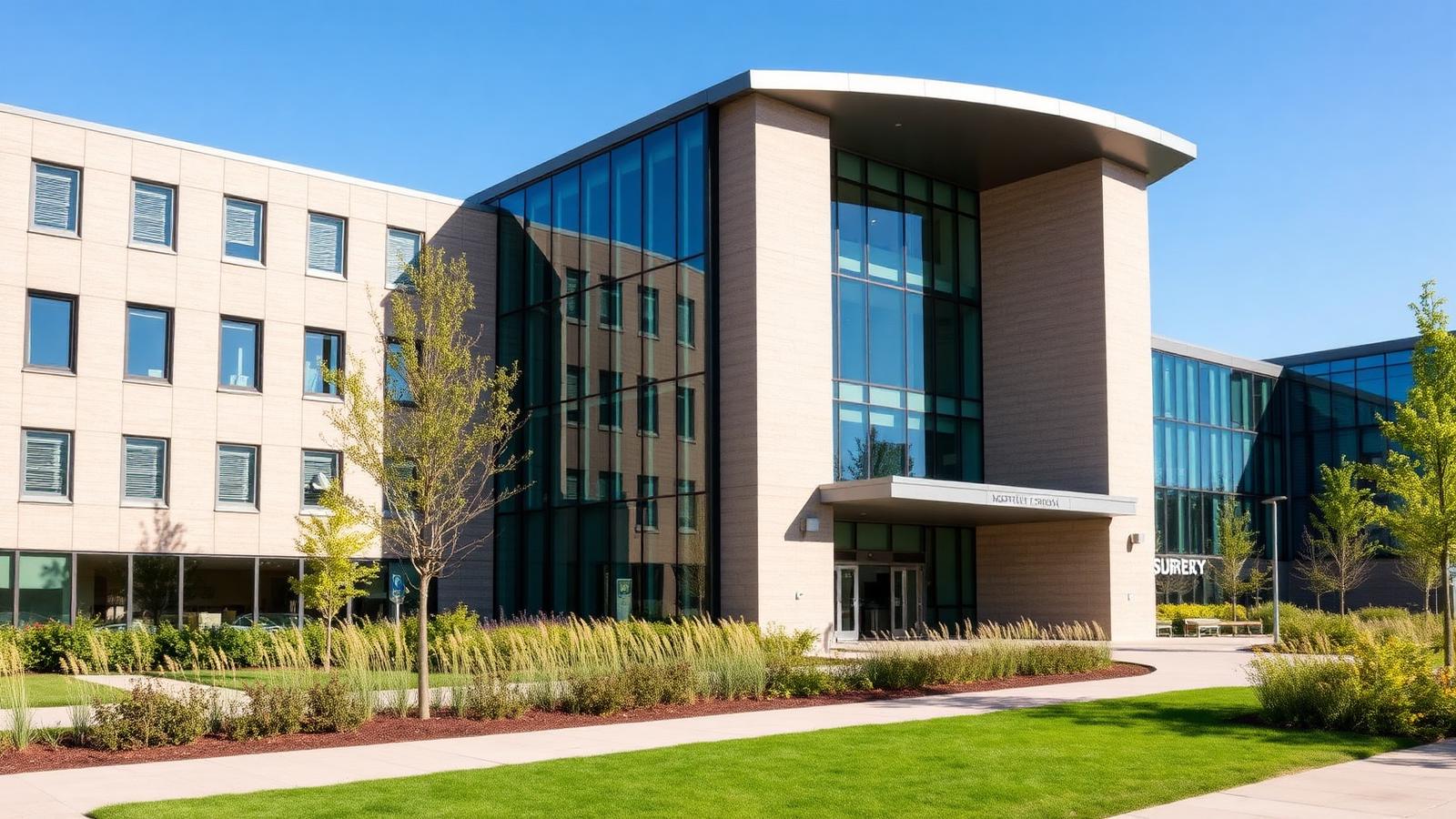

University of Surrey - School of Hospitality & Tourism
Shaping the future of hospitality and tourism through education and research.

Oxford Brookes - Hospitality & Tourism
Oxford Brookes: Where global hospitality leaders find their belonging.

Edinburgh Napier - Tourism & Hospitality
The #1 modern university in Scotland, shaping future difference-makers in hospitality and tourism.

Glion London
Swiss hospitality, London edge

Bournemouth University - International Hospitality
Inspiring learning, advancing knowledge, enriching society in South West's best university.
Country intelligence
Studying hospitality management in United Kingdom 🇬🇧
United Kingdom hosts 20 hospitality-focused institutions across 4 cities, with 5 of them running a bachelor's degree in hospitality management. Full-programme tuition typically lands between $5k and $55k, depending on campus, internship structure and length of stay.
Graduates enter a market where United Kingdom's hospitality sector is being reshaped by rising demand for experiential luxury, a return of long-haul travel, and the fast professionalisation of wellness, F&B and branded residences. Recruiters here weight paid internships, second-language ability and international placements as heavily as academic transcripts — which is why the bachelor's degree programmes listed below all embed at least one operational rotation.
Bachelor's Degree programmes in Hospitality Management
BBA in International Hospitality Management
Edinburgh Napier - Tourism & Hospitality — Edinburgh
Duration
36 months
Tuition
$16,000
Language
—
Level
Bachelor
BBA in International Hospitality Management
Bournemouth University - International Hospitality — Bournemouth
Duration
36 months
Tuition
$17,000
Language
—
Level
Bachelor
BBA in International Hospitality Management
Oxford Brookes - Hospitality & Tourism — Oxford
Duration
36 months
Tuition
$18,000
Language
—
Level
Bachelor
BBA in International Hospitality Management
University of Surrey - School of Hospitality & Tourism — Guildford
Duration
36 months
Tuition
$22,000
Language
—
Level
Bachelor
BBA in International Hospitality Management
Glion London — London
Duration
36 months
Tuition
$30,000
Language
—
Level
Bachelor
Total annual cost · United Kingdom
Tuition is only part of the bill. Below is the realistic year-one budget for a bachelor's degree student in United Kingdom, including housing, food, transport, insurance and visa fees.
Tuition and Living Costs (2026/27)
Studying in the UK involves two primary costs: tuition fees and living expenses. The UK government typically reviews tuition caps annually, and international fees are set by individual institutions.
Tuition Fees
- Domestic (UK/Irish) Students: Tuition for 2026 is projected to remain near the £9,250 per year cap. Students often finance this through government-backed tuition fee loans.
- International Students: Fees range significantly. A mid-tier regional university may charge £16,000 to £18,500 per year, while prestigious institutions in London or high-ranking business schools can charge between £22,000 and £26,000 per year.
Living Expenses
The UK Visas and Immigration (UKVI) department has specific financial requirements for international students. As of 2025/26, you must demonstrate you have:
- London: £1,334 per month (for up to 9 months).
- Outside London: £1,023 per month (for up to 9 months).
Realistic Budgeting:
- Accommodation: Expect to pay £150–£250 per week for a purpose-built student room.
- Daily Costs: A monthly "Lifestyle" budget (food, social, local travel) usually averages £400–£600.
Most hospitality programs are four years if they include a Placement Year. During this year, students are usually paid a salary (often around £21,000–£24,000), which significantly helps offset the cost of the final year of study.
| Item | Amount / year | Note |
|---|---|---|
| Domestic Tuition | £9,250 / year | Capped for UK residents. |
| International Tuition | £16,000 - £26,000 / year | Varies by university ranking and location. |
| Living Expenses (London) | £1,100 - £1,500 / month | Includes rent, food, and transport. |
| Living Expenses (Regional) | £800 - £1,100 / month | Cities like Sheffield or Cardiff are much cheaper. |
| Student Visa Fee | £490 | One-off cost for international applicants. |
Admission reality
What the bachelor's programmes listed above look for on average. Individual schools vary — always check the school page for the exact bar.
Application Requirements for 2026/27
Securing a place on a top-tier Hospitality Management program in the UK requires a blend of academic achievement and a demonstrated passion for service. Applications are almost exclusively handled through the UCAS (Universities and Colleges Admissions Service) system.
Academic Prerequisites
For high-ranking universities (e.g., Surrey, Oxford Brookes, Manchester Met), students generally need:
- A-Levels: Typically ranging from ABB to BBC. While there are no specific required subjects, Business Studies, Economics, or Modern Languages are viewed favorably.
- BTEC National Diploma: DDM (Distinction/Distinction/Merit) is a standard requirement for vocational applicants.
- International Baccalaureate (IB): A total score of 30–32 points is generally expected.
English Language Proficiency
International students must prove their English capabilities. The standard benchmarks are:
- IELTS Academic: An overall score of 6.0 to 6.5, with no single component (reading, writing, speaking, listening) lower than 5.5.
- PTE Academic: Typically a score of 58–65.
The Personal Statement & Interview
The UK admissions process places significant weight on the Personal Statement. Admissions tutors look for evidence of "soft skills"—communication, resilience, and cultural awareness. Mentioning part-time work in cafes, hotels, or volunteer events is highly beneficial. Some elite programs may also conduct virtual interviews or assessment days to gauge a candidate's interpersonal aptitude, which is critical for hospitality leadership.
Foundation Years
For students who do not meet the direct entry requirements, many UK universities offer an integrated Foundation Year (Year 0). This allows students to build academic skills before progressing to the full three-year BA/BSc program.
Where in the world is Hospitality Management strongest?
Strongest region: Switzerland & Europe.
Home of the modern hotel school — EHL, Les Roches, Glion, Vatel — with the deepest luxury-brand recruiting network.
Note: United Kingdom is not on the top-region list for hospitality management. It can still be a good fit for specific reasons (language, family, target employer, cost), but for maximum brand access consider one of the primary regions above.
Application timeline · September intake
Most United Kingdom programmes run rolling admissions with two peak intakes. Work backwards from your target start date.
- 118 months beforeResearch & shortlist
Narrow to 4–6 hospitality management schools in United Kingdom. Attend virtual open days.
- 212 months beforeLanguage & aptitude tests
Book IELTS / TOEFL (aim 6.5+ / 90+). Culinary tracks: prep portfolio photos of your dishes.
- 39 months beforeDraft application
Motivation letter, CV, 2 recommendation letters. Request transcripts from your school.
- 46 months beforeSubmit + interview
Most schools interview on video. Some (EHL, Les Roches) require an on-site or timed assessment.
- 54 months beforeOffer, deposit, visa
Pay tuition deposit (usually 10–20%), then start the student visa file for United Kingdom.
- 61–2 months beforeHousing & arrival
Book residence hall or shared flat, health insurance, and the flight. Arrive ~2 weeks early for orientation.
Visa & work rights in United Kingdom
Rules refreshed for the 2025–26 intake. Confirm current requirements with the nearest embassy before booking travel.
Visa Pathway for International Students
The UK offers one of the most streamlined and attractive post-study work pathways for hospitality graduates through the Graduate Route.
The Student Visa
Subclass: Student
To study your Bachelor's, you will need a Student Visa.
- Confirmation of Acceptance for Studies (CAS): Issued by your university after you accept your offer.
- Financial Evidence: Proof of funds for tuition and 9 months of living costs (see Cost section).
- Immigration Health Surcharge (IHS): Costs roughly £776 per year, providing access to the National Health Service (NHS).
The Graduate Visa
Post-Study Work
Upon successful completion of your Bachelor's degree, you are eligible for the Graduate Visa.
- Duration: 2 years of work authorization.
- Flexibility: You do not need a job offer or a minimum salary to apply. You can work in any role, though most graduates use this time to join a "Manager-in-Training" (MIT) program.
- Transition: After 2 years, if you have secured a management role with a salary above the prevailing threshold (currently approx. £38,700 for the Skilled Worker visa, though rules vary for "New Entrants"), you can transition to a Skilled Worker Visa for long-term residency.
The Graduate Visa is a game-changer for hospitality students, as it allows them to move from a student placement into a full-time Assistant Manager or Departmental Head role before returning to their home country or seeking sponsorship.
Scholarships & funding
| Award type | Typical value | How to qualify |
|---|---|---|
| School-specific merit awards | 10–40% off tuition | Awarded on GPA + motivation letter · every major hospitality management school in United Kingdom runs one. |
| Government / bilateral grants | Full or partial | Check your home-country ministry of education for United Kingdom bilateral scholarships. |
| Industry-sponsored bursaries | $3k–$15k / year | Marriott, Accor, Four Seasons, IHG and Michelin-star groups fund named awards tied to post-graduation internships. |
| Need-based aid | Sliding-scale tuition | Available at most private schools once you hold an offer. Apply within 30 days of acceptance. |
Careers & salaries
Career Outcomes and Salary Prospects
A Bachelor’s degree in Hospitality Management from a UK institution opens doors to a global workforce. While many graduates start in operational roles, the UK’s focus on 'management' means alumni often fast-track into corporate and strategic positions.
Major Career Pathways
- Hotel Operations Management: Starting as a Graduate Trainee or Front Office Manager and progressing to General Manager (GM) of luxury London boutiques or international chains.
- Revenue Management & Analytics: A high-growth area where graduates use data to optimize pricing and inventory. This is particularly lucrative in the UK’s competitive city-center markets.
- Event & Venue Management: Managing large-scale operations for UK-based events like Wimbledon, Glastonbury, or corporate conferences at the NEC Birmingham.
- Luxury Brand Management: Overseeing high-end guest experiences for prestige brands beyond hotels, including luxury retail and private member clubs (e.g., Soho House).
Realistic Salary Expectations (2026 Projections)
Salaries in the UK hospitality sector have seen steady growth due to labor shortages and the increasing complexity of the roles.
| Role | Entry-Level (0-2 yrs) | Mid-Level (3-7 yrs) | Senior/Director (8+ yrs) | | :--- | :--- | :--- | :--- | | Hotel Operations Mgr | £26,000 – £32,000 | £38,000 – £50,000 | £65,000 – £100,000+ | | Revenue Manager | £30,000 – £35,000 | £45,000 – £60,000 | £75,000 – £110,000 | | Event Manager | £24,000 – £29,000 | £35,000 – £48,000 | £55,000 – £85,000 | | F&B Director | £28,000 – £34,000 | £42,000 – £55,000 | £70,000 – £95,000 |
*Note: Salaries in London typically carry a "London Weighting" premium of £3,000 to £5,000 per annum compared to regional figures.*
Long-Term Value
The UK degree is highly portable. Graduates are frequently recruited by Middle Eastern luxury groups (Jumeirah, Hilton) and Asian conglomerates, where a British education is viewed as a gold standard in service excellence and business ethics.
| Role | Entry | Mid | Senior |
|---|---|---|---|
| Hotel Operations Manager | £26,000 - £31,000 | £38,000 - £52,000 | £75,000+ |
| Revenue Manager | £30,000 - £36,000 | £45,000 - £65,000 | £90,000+ |
| Events & Conference Manager | £25,000 - £30,000 | £35,000 - £50,000 | £70,000+ |
| Luxury Brand/Guest Exp. Manager | £27,000 - £33,000 | £40,000 - £58,000 | £85,000+ |
Top employers hiring graduates
United Kingdom vs peers for hospitality management
Quick side-by-side of where else this bachelor is taught at scale. Tap through for the full breakdown.
Strengths
- World-class reputation and top-10 global university rankings.
- The 4-year 'Sandwich' route provides 12 months of paid professional experience.
- Post-study work rights via the 2-year Graduate Visa.
- Exposure to a massive, diverse hospitality market from luxury to tech-led brands.
- Strong emphasis on transferable business skills (finance, HR, marketing).
Trade-offs
- High cost of living, particularly in London, Manchester, and Edinburgh.
- Entry-level operational roles can be physically demanding and involve anti-social hours.
- Intense competition for graduate schemes at top-tier hotel groups.
Editor's verdict
Our verdict
Is a UK Hospitality Degree Worth It?
The verdict for 2026 is a resounding yes, provided you choose a program with a dedicated Placement Year. The UK hospitality degree is no longer just about "how to run a hotel"; it has transformed into a high-utility business qualification.
If you are an international student, the combination of a British degree and the two-year Graduate Visa provides a rare window to gain high-level management experience in one of the world's most sophisticated markets. Even if you choose to return home, a CV that lists a year at a London luxury hotel and a degree from a top UK university (like Surrey or Oxford Brookes) carries immense weight globally.
However, prospective students must be realistic about the costs. This is an expensive investment due to the UK's high cost of living. To maximize your Return on Investment (ROI), focus on universities with strong links to Revenue Management and Commercial Strategy, rather than programs that are purely operational. In 2026, the real money and career growth in hospitality lie in the "numbers and strategy" side of the business—and the UK is arguably the best place in the world to learn those skills.
Frequently asked questions
›What is the difference between a BA and a BSc in Hospitality?
A BA (Bachelor of Arts) usually focuses more on social sciences and human elements, while a BSc (Bachelor of Science) may have a stronger focus on data, finance, and analytical management. Both are equally respected by employers.
›Can I work while studying?
Yes, international students on a Student Visa can typically work up to 20 hours per week during term time and full-time during holidays.
›What is a 'Sandwich' degree?
The 'Sandwich Year' refers to a four-year degree where the third year is spent working full-time in the industry, 'sandwiched' between academic years.
›Is a UK Hospitality degree recognized abroad?
Absolutely. Most UK degrees are accredited by the Institute of Hospitality (IoH), making them recognized globally.
›Do I need to be a good cook to study Hospitality Management?
While culinary arts programs exist, a Hospitality Management degree focuses on business operations, finance, and leadership rather than professional cooking.
References & sources
All figures on this page can be traced to the following primary sources.
Other hospitality management programmes by country
Other degrees in United Kingdom
Get matched
Bachelor's Degree in Hospitality Management, United Kingdom
Tell us your background and we'll shortlist the strongest programmes for your profile.