
Hospitality MBA · 🇨🇭 Switzerland
Hospitality MBA in Hospitality Management in Switzerland
Comprehensive 2026 guide to an MBA in Hospitality Management in Switzerland. Includes tuition (CHF), high-end salary bands, visa pathways, and top careers.
Written by
Marc Delacroix
Former GM, Four Seasons & Rosewood · 22 years in luxury hospitality
Reviewed by Dr. Priya Menon — PhD, Cornell School of Hotel Administration · Senior Advisor, HSMAI
- Average Starting Salary
- CHF 95,000
- International Students
- 90%+
- Ranked Schools
- 3 - 4
- Industry Placement
- 94%
Key takeaways
- Switzerland is the global 'gold standard' for hospitality, focusing on the luxury and experience sectors.
- A Swiss MBA is highly versatile, opening doors in finance, luxury retail, and real estate.
- Expect a high financial investment, with total costs often exceeding CHF 100,000 including living.
- The 'Dual System' ensures a focus on both high-level strategy and operational precision.
- Post-study work rights are available, but finding a sponsor as a non-EU citizen requires early career planning.
Overview
The Gold Standard of Leadership: A Swiss MBA in Hospitality
To study an MBA in Hospitality Management in Switzerland is to enter the most prestigious professional ecosystem in the travel and luxury world. While an MBA from a traditional business school teaches you how to run a company, a Swiss Hospitality MBA teaches you how to master the "Art of Service" while commanding a multi-million-dollar global asset. In 2026, this degree is no longer just for hotel managers; it is the premiere credential for leaders in the global experience economy.
Why Switzerland for your MBA?
Switzerland’s reputation in hospitality is unparalleled. It is the home of the world’s first hotel school (EHL, founded in 1893) and continues to dominate global rankings. The Swiss model of education is built on the "Dual System"—a rigorous combination of academic theory and high-level industrial practice. At the MBA level, this translates to a curriculum that is half-boardroom strategy and half-operational excellence.
More Than Just Hotels
The 2026 landscape of hospitality has expanded. Graduating from a Swiss program today means you are prepared for leadership roles in:
- Luxury Retail: Managing global footprints for brands like LVMH or Richemont.
- Private Wealth Management: Where the 'high-touch' service of hospitality is a key differentiator.
- Real Estate Investment: Analyzing hospitality assets for private equity firms.
- Health and Wellness: Leading the booming sector of medical spas and luxury longevity clinics.
The Swiss Advantage
In an era where digital transformation is ubiquitous, the Swiss MBA focuses on what cannot be automated: human connection, cultural intelligence, and the management of complex, multi-layered service environments. Students don't just study case studies; they live them in a country that acts as a living laboratory for luxury and efficiency. Whether you are looking to pivot your career or accelerate to the C-suite, the Swiss MBA provides a "lifestyle brand" on your CV that carries weight in every capital city in the world.
Why 2026 is the Year to Apply
As the global travel market reaches new heights of ultra-luxury and personalization, the demand for "Swiss-trained" leaders has never been higher. With the industry shifting toward sustainable luxury and AI-integrated guest journeys, the 2026 Swiss MBA curriculum has been redesigned to put you at the forefront of these technological and ethical shifts. If you seek to lead the next generation of global service, there is no alternative to the Swiss path.
Industry snapshot · Switzerland
The Epicenter of Global Hospitality
Switzerland is not just a destination for hospitality education; it is the birthplace of the modern industry. Since the 19th-century "Grand Hotel" era, the Swiss have pioneered the standards of luxury service. In 2026, this legacy has evolved into a powerhouse sector that contributes roughly 3% to the national GDP and employs over 200,000 people.
A Hub for Corporate Headquarters
Beyond the picturesque mountain resorts, Switzerland serves as the global or regional headquarters for the world’s leading hospitality and luxury brands. Giants like Accor (Luxury Division), Aman Resorts, and Viking Cruises maintain significant corporate presences here. For an MBA student, this means the industry isn't just a subject of study—it is your neighbor. Networking happens in the cafes of Lausanne and the boardrooms of Geneva.
The 'Hospitality+ ' Ecosystem
The Swiss industry is currently defined by the "Hospitality+" movement. This refers to the application of hospitality principles to other sectors. Swiss private banks, luxury watchmakers (like Patek Philippe and Rolex), and elite private clinics (like Clinique La Prairie) actively recruit hospitality-trained MBAs to manage their client experiences. This cross-pollination makes Switzerland a unique laboratory for the "Experience Economy."
Innovation and Sustainability
As of 2026, Switzerland is leading the "Swisstainable" initiative, a nationwide drive to make Switzerland the most sustainable travel destination in the world. MBA programs are deeply integrated into this, focusing on circular economy models in F&B and carbon-neutral hotel developments. Students are exposed to cutting-edge hospitality technology, from AI-driven revenue management systems to robotic service integration, all within a stable, high-tech economy.
Curriculum
The Swiss MBA Curriculum: Where Heritage Meets Data
The Swiss MBA in Hospitality differs from a traditional MBA by layering 'Soft Power' and 'Experience Design' over core business disciplines. In 2026, the curriculum has shifted heavily toward digital transformation, sustainability, and asset management.
Core Business Pillars
Students undergo rigorous training in:
- Financial Accounting & Hotel Asset Management: Moving beyond basic P&L to understanding real estate investment and ownership structures.
- Strategic Marketing: Focusing on brand storytelling and luxury positioning in a digital-first world.
- Organizational Behavior: Leadership techniques specific to high-turnover, multicultural service environments.
Hospitality Specializations
This is where the Swiss model shines. Specialized modules often include:
- The Experience Economy: Designing guest journeys that justify premium pricing.
- Sustainable Operations: Integrating ESG (Environmental, Social, and Governance) standards into hotel operations to meet new EU/Swiss regulations.
- Data Analytics for Hospitality: Leveraging big data for predictive revenue management and personalized guest experiences.
The Capstone/Consultancy Project
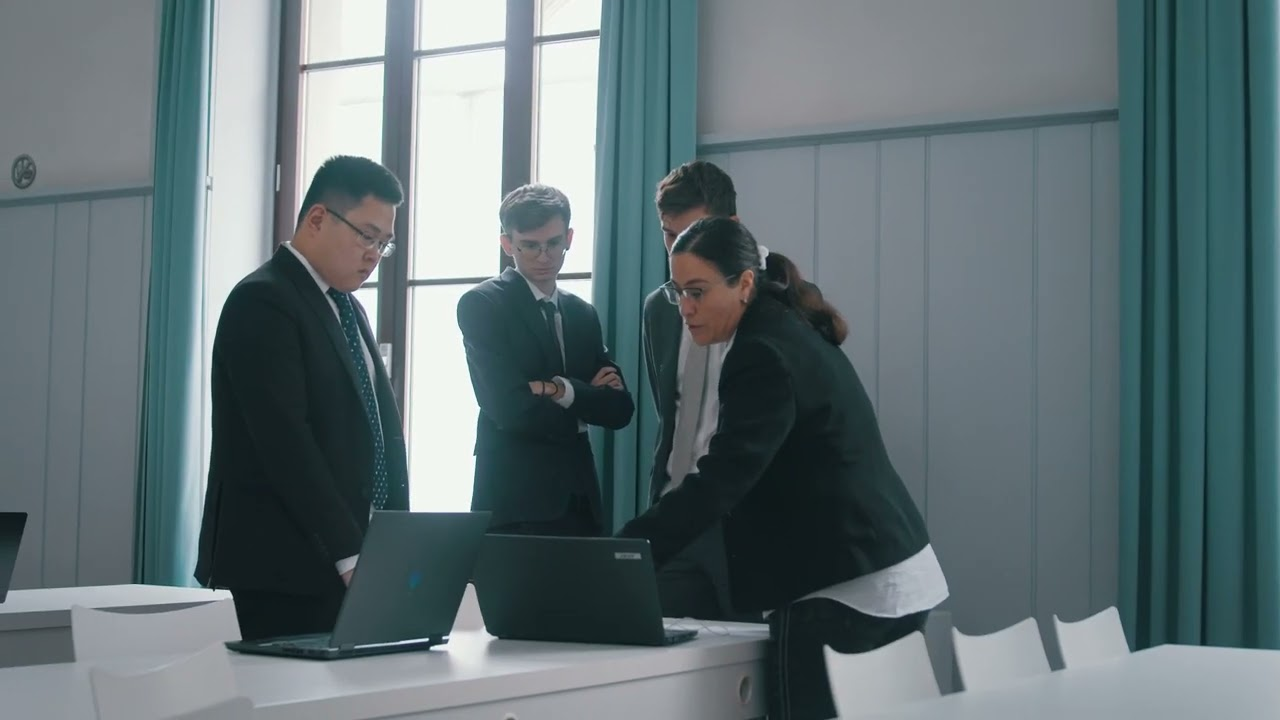
Most Swiss MBAs culminate in a Consultancy Project instead of a traditional thesis. Students work in small teams to solve a real-world problem for an industry partner (e.g., Accor, Rolex, or Nestlé). This provides direct exposure to senior management and serves as a powerful bridge to full-time employment.
Soft Skills and 'Finishing School' Heritage
Even at the MBA level, the Swiss "savoir-faire" is present. Students often participate in workshops on corporate etiquette, wine appreciation, and high-level negotiation, ensuring they can move seamlessly between the boardroom and the dining room.
Schools offering Hospitality MBA in Hospitality Management · Switzerland
6 accredited institutions teach this pathway in Switzerland. Ranked by hospitality reputation, with tuition, location and heritage side by side.
%22%20style%3D%22fill%3A%20none%20!important%3B%22%3E%0A%20%20%20%20%20%20%20%20%20%20%20%20%20%20%20%20%20%20%20%20%20%20%20%20%20%20%20%20%3Cpath%20d%3D%22M99.07%203.12988H92.32C93.62%203.87988%2093.62%205.34988%2093.62%206.15988V13.4999H81.24V6.15988C81.24%205.34988%2081.24%203.86988%2082.54%203.12988H75.79C77.09%203.87988%2077.09%205.34988%2077.09%206.15988V23.1299C77.09%2023.9399%2077.09%2025.4199%2075.79%2026.1599H82.54C81.24%2025.4099%2081.24%2023.9399%2081.24%2023.1299V15.2099H93.62V23.1299C93.62%2023.9399%2093.62%2025.4199%2092.32%2026.1599H99.07C97.77%2025.4099%2097.77%2023.9399%2097.77%2023.1299V6.15988C97.77%205.34988%2097.77%203.86988%2099.07%203.12988Z%22%20fill%3D%22%23001436%22%20style%3D%22fill%3A%20rgb(0%2C%2020%2C%2054)%20!important%3B%22%2F%3E%0A%20%20%20%20%20%20%20%20%20%20%20%20%20%20%20%20%20%20%20%20%20%20%20%20%20%20%20%20%3Cpath%20d%3D%22M58.09%2015.2199H66.93V13.4999H58.09V4.86988H70.01V3.12988H52.63C53.93%203.87988%2053.93%205.34988%2053.93%206.15988V23.1299C53.93%2023.9399%2053.93%2025.4199%2052.63%2026.1599H70.01V24.4399H58.09V15.2099V15.2199Z%22%20fill%3D%22%23001436%22%20style%3D%22fill%3A%20rgb(0%2C%2020%2C%2054)%20!important%3B%22%2F%3E%0A%20%20%20%20%20%20%20%20%20%20%20%20%20%20%20%20%20%20%20%20%20%20%20%20%20%20%20%20%3Cpath%20d%3D%22M122.24%2024.5301H110.32V6.14011C110.32%205.33011%20110.32%203.85011%20111.62%203.11011H104.85C106.15%203.86011%20106.15%205.33011%20106.15%206.14011V23.1101C106.15%2023.9201%20106.15%2025.4001%20104.85%2026.1401H122.23V24.5201L122.24%2024.5301Z%22%20fill%3D%22%23001436%22%20style%3D%22fill%3A%20rgb(0%2C%2020%2C%2054)%20!important%3B%22%2F%3E%0A%20%20%20%20%20%20%20%20%20%20%20%20%20%20%20%20%20%20%20%20%20%20%20%20%20%20%20%20%3Cpath%20d%3D%22M33.6701%2020.9299L28.4301%2026.1699H35.1801L40.4201%2020.9299H33.6701Z%22%20fill%3D%22%23001436%22%20style%3D%22fill%3A%20rgb(0%2C%2020%2C%2054)%20!important%3B%22%2F%3E%0A%20%20%20%20%20%20%20%20%20%20%20%20%20%20%20%20%20%20%20%20%20%20%20%20%20%20%20%20%3Cpath%20d%3D%22M16.15%2026.1701H22.89L34.45%2014.6101H27.7L16.15%2026.1701Z%22%20fill%3D%22%23001436%22%20style%3D%22fill%3A%20rgb(0%2C%2020%2C%2054)%20!important%3B%22%2F%3E%0A%20%20%20%20%20%20%20%20%20%20%20%20%20%20%20%20%20%20%20%20%20%20%20%20%20%20%20%20%3Cpath%20d%3D%22M21.9899%208.23999L4.06995%2026.17H10.8199L28.7399%208.23999H21.9899Z%22%20fill%3D%22%23001436%22%20style%3D%22fill%3A%20rgb(0%2C%2020%2C%2054)%20!important%3B%22%2F%3E%0A%20%20%20%20%20%20%20%20%20%20%20%20%20%20%20%20%20%20%20%20%20%20%20%20%20%20%20%20%3Cpath%20d%3D%22M22.3%200.82C31.21%200.88%2038.6%207.02%2040.42%2014.61H44.49C41.04%206.33%2032.47%200%2022.3%200C12.13%200%203.45%206.33%200%2014.61H4.04C5.86%207.01%2013.39%200.88%2022.3%200.82Z%22%20fill%3D%22%23001436%22%20style%3D%22fill%3A%20rgb(0%2C%2020%2C%2054)%20!important%3B%22%2F%3E%0A%20%20%20%20%20%20%20%20%20%20%20%20%20%20%20%20%20%20%20%20%20%20%20%20%20%20%20%20%3Cpath%20d%3D%22M132.89%203.12012H134.52V6.67012H138.89V3.12012H140.51V12.2101H138.89V8.14012H134.52V12.2101H132.89V3.12012Z%22%20fill%3D%22%230F1B38%22%20style%3D%22fill%3A%20rgb(15%2C%2027%2C%2056)%20!important%3B%22%2F%3E%0A%20%20%20%20%20%20%20%20%20%20%20%20%20%20%20%20%20%20%20%20%20%20%20%20%20%20%20%20%3Cpath%20d%3D%22M142.24%207.67996C142.24%205.00996%20144.38%202.95996%20147.04%202.95996C149.7%202.95996%20151.85%205.00996%20151.85%207.67996C151.85%2010.35%20149.71%2012.39%20147.04%2012.39C144.37%2012.39%20142.24%2010.35%20142.24%207.67996ZM150.24%207.67996C150.24%205.86996%20148.86%204.42996%20147.04%204.42996C145.22%204.42996%20143.84%205.84996%20143.84%207.67996C143.84%209.50996%20145.22%2010.92%20147.04%2010.92C148.86%2010.92%20150.24%209.50996%20150.24%207.67996Z%22%20fill%3D%22%230F1B38%22%20style%3D%22fill%3A%20rgb(15%2C%2027%2C%2056)%20!important%3B%22%2F%3E%0A%20%20%20%20%20%20%20%20%20%20%20%20%20%20%20%20%20%20%20%20%20%20%20%20%20%20%20%20%3Cpath%20d%3D%22M153.01%2011.44V9.69995C153.79%2010.42%20154.71%2010.9%20155.96%2010.9C157.12%2010.9%20157.71%2010.35%20157.71%209.77995C157.71%208.96995%20157.1%208.66995%20155.67%208.06995C154.31%207.49995%20153.26%206.85995%20153.26%205.37995C153.26%203.89995%20154.56%202.94995%20156.31%202.94995C157.24%202.94995%20158.04%203.17995%20158.71%203.64995V5.31995C158.07%204.75995%20157.34%204.42995%20156.35%204.42995C155.41%204.42995%20154.89%204.81995%20154.89%205.36995C154.89%206.09995%20155.83%206.42995%20156.85%206.86995C158.48%207.58995%20159.33%208.30995%20159.33%209.76995C159.33%2011.23%20158.21%2012.35%20156.05%2012.35C154.8%2012.35%20153.79%2011.98%20153.01%2011.42V11.44Z%22%20fill%3D%22%230F1B38%22%20style%3D%22fill%3A%20rgb(15%2C%2027%2C%2056)%20!important%3B%22%2F%3E%0A%20%20%20%20%20%20%20%20%20%20%20%20%20%20%20%20%20%20%20%20%20%20%20%20%20%20%20%20%3Cpath%20d%3D%22M161%203.12012H164.47C165.92%203.12012%20167.43%204.24012%20167.43%206.08012C167.43%207.82012%20165.98%209.03012%20164.47%209.03012H162.63V12.2101H161V3.12012ZM164.4%207.55012C165.05%207.55012%20165.82%207.08012%20165.82%206.08012C165.82%205.08012%20165.05%204.59012%20164.4%204.59012H162.64V7.55012H164.4Z%22%20fill%3D%22%230F1B38%22%20style%3D%22fill%3A%20rgb(15%2C%2027%2C%2056)%20!important%3B%22%2F%3E%0A%20%20%20%20%20%20%20%20%20%20%20%20%20%20%20%20%20%20%20%20%20%20%20%20%20%20%20%20%3Cpath%20d%3D%22M169.16%203.12012H170.79V12.2101H169.16V3.12012Z%22%20fill%3D%22%230F1B38%22%20style%3D%22fill%3A%20rgb(15%2C%2027%2C%2056)%20!important%3B%22%2F%3E%0A%20%20%20%20%20%20%20%20%20%20%20%20%20%20%20%20%20%20%20%20%20%20%20%20%20%20%20%20%3Cpath%20d%3D%22M174.8%204.59012H172.33V3.12012H178.89V4.59012H176.42V12.2101H174.79V4.59012H174.8Z%22%20fill%3D%22%230F1B38%22%20style%3D%22fill%3A%20rgb(15%2C%2027%2C%2056)%20!important%3B%22%2F%3E%0A%20%20%20%20%20%20%20%20%20%20%20%20%20%20%20%20%20%20%20%20%20%20%20%20%20%20%20%20%3Cpath%20d%3D%22M182.99%202.66992L187.48%2012.2099H185.74L184.93%2010.4499H181.02L180.21%2012.2099H178.49L182.99%202.66992ZM184.32%209.03992L182.98%206.07992L181.64%209.03992H184.33H184.32Z%22%20fill%3D%22%230F1B38%22%20style%3D%22fill%3A%20rgb(15%2C%2027%2C%2056)%20!important%3B%22%2F%3E%0A%20%20%20%20%20%20%20%20%20%20%20%20%20%20%20%20%20%20%20%20%20%20%20%20%20%20%20%20%3Cpath%20d%3D%22M188.95%203.12012H190.58V10.7401H194.19V12.2101H188.95V3.12012Z%22%20fill%3D%22%230F1B38%22%20style%3D%22fill%3A%20rgb(15%2C%2027%2C%2056)%20!important%3B%22%2F%3E%0A%20%20%20%20%20%20%20%20%20%20%20%20%20%20%20%20%20%20%20%20%20%20%20%20%20%20%20%20%3Cpath%20d%3D%22M195.88%203.12012H197.51V12.2101H195.88V3.12012Z%22%20fill%3D%22%230F1B38%22%20style%3D%22fill%3A%20rgb(15%2C%2027%2C%2056)%20!important%3B%22%2F%3E%0A%20%20%20%20%20%20%20%20%20%20%20%20%20%20%20%20%20%20%20%20%20%20%20%20%20%20%20%20%3Cpath%20d%3D%22M201.52%204.59012H199.05V3.12012H205.61V4.59012H203.14V12.2101H201.51V4.59012H201.52Z%22%20fill%3D%22%230F1B38%22%20style%3D%22fill%3A%20rgb(15%2C%2027%2C%2056)%20!important%3B%22%2F%3E%0A%20%20%20%20%20%20%20%20%20%20%20%20%20%20%20%20%20%20%20%20%20%20%20%20%20%20%20%20%3Cpath%20d%3D%22M209.59%208.69012L206.31%203.12012H208.07L210.4%207.13012L212.72%203.12012H214.47L211.2%208.69012V12.2101H209.58V8.69012H209.59Z%22%20fill%3D%22%230F1B38%22%20style%3D%22fill%3A%20rgb(15%2C%2027%2C%2056)%20!important%3B%22%2F%3E%0A%20%20%20%20%20%20%20%20%20%20%20%20%20%20%20%20%20%20%20%20%20%20%20%20%20%20%20%20%3Cpath%20d%3D%22M132.89%2017.0801H136.18C137.6%2017.0801%20138.72%2018.0601%20138.72%2019.4001C138.72%2020.2701%20138.29%2020.9501%20137.56%2021.2301C138.76%2021.4501%20139.39%2022.3501%20139.39%2023.4901C139.39%2025.0301%20138.22%2026.1801%20136.62%2026.1801H132.89V17.0901V17.0801ZM135.95%2020.7401C136.64%2020.7401%20137.12%2020.2701%20137.12%2019.6201C137.12%2019.0201%20136.64%2018.5501%20135.96%2018.5501H134.51V20.7401H135.95ZM136.34%2024.7001C137.16%2024.7001%20137.76%2024.1401%20137.76%2023.4001C137.76%2022.6601%20137.17%2022.1201%20136.32%2022.1201H134.51V24.7001H136.34Z%22%20fill%3D%22%230F1B38%22%20style%3D%22fill%3A%20rgb(15%2C%2027%2C%2056)%20!important%3B%22%2F%3E%0A%20%20%20%20%20%20%20%20%20%20%20%20%20%20%20%20%20%20%20%20%20%20%20%20%20%20%20%20%3Cpath%20d%3D%22M140.92%2022.6901V17.0801H142.55V22.5201C142.55%2024.1401%20143.37%2024.8401%20144.61%2024.8401C145.85%2024.8401%20146.66%2024.1401%20146.66%2022.5201V17.0801H148.29V22.6901C148.29%2025.1201%20146.66%2026.3201%20144.61%2026.3201C142.56%2026.3201%20140.92%2025.1201%20140.92%2022.6901Z%22%20fill%3D%22%230F1B38%22%20style%3D%22fill%3A%20rgb(15%2C%2027%2C%2056)%20!important%3B%22%2F%3E%0A%20%20%20%20%20%20%20%20%20%20%20%20%20%20%20%20%20%20%20%20%20%20%20%20%20%20%20%20%3Cpath%20d%3D%22M149.98%2025.3999V23.6599C150.76%2024.3799%20151.68%2024.8599%20152.93%2024.8599C154.09%2024.8599%20154.68%2024.3099%20154.68%2023.7399C154.68%2022.9299%20154.07%2022.6299%20152.64%2022.0299C151.28%2021.4599%20150.23%2020.8199%20150.23%2019.3399C150.23%2017.8599%20151.53%2016.9099%20153.28%2016.9099C154.21%2016.9099%20155.01%2017.1399%20155.68%2017.6099V19.2799C155.04%2018.7199%20154.31%2018.3899%20153.32%2018.3899C152.38%2018.3899%20151.86%2018.7799%20151.86%2019.3299C151.86%2020.0599%20152.8%2020.3899%20153.82%2020.8299C155.45%2021.5499%20156.3%2022.2699%20156.3%2023.7299C156.3%2025.1899%20155.18%2026.3099%20153.02%2026.3099C151.77%2026.3099%20150.76%2025.9399%20149.98%2025.3799V25.3999Z%22%20fill%3D%22%230F1B38%22%20style%3D%22fill%3A%20rgb(15%2C%2027%2C%2056)%20!important%3B%22%2F%3E%0A%20%20%20%20%20%20%20%20%20%20%20%20%20%20%20%20%20%20%20%20%20%20%20%20%20%20%20%20%3Cpath%20d%3D%22M158.03%2017.0801H159.66V26.1701H158.03V17.0801Z%22%20fill%3D%22%230F1B38%22%20style%3D%22fill%3A%20rgb(15%2C%2027%2C%2056)%20!important%3B%22%2F%3E%0A%20%20%20%20%20%20%20%20%20%20%20%20%20%20%20%20%20%20%20%20%20%20%20%20%20%20%20%20%3Cpath%20d%3D%22M163.57%2020.46V26.17H161.94V16.74L168.14%2022.82V17.08H169.77V26.51L163.57%2020.46Z%22%20fill%3D%22%230F1B38%22%20style%3D%22fill%3A%20rgb(15%2C%2027%2C%2056)%20!important%3B%22%2F%3E%0A%20%20%20%20%20%20%20%20%20%20%20%20%20%20%20%20%20%20%20%20%20%20%20%20%20%20%20%20%3Cpath%20d%3D%22M171.99%2017.0801H177.78V18.5501H173.62V20.7201H177.52V22.1901H173.62V24.6901H177.87V26.1601H171.99V17.0701V17.0801Z%22%20fill%3D%22%230F1B38%22%20style%3D%22fill%3A%20rgb(15%2C%2027%2C%2056)%20!important%3B%22%2F%3E%0A%20%20%20%20%20%20%20%20%20%20%20%20%20%20%20%20%20%20%20%20%20%20%20%20%20%20%20%20%3Cpath%20d%3D%22M179.31%2025.3999V23.6599C180.09%2024.3799%20181.01%2024.8599%20182.26%2024.8599C183.42%2024.8599%20184.01%2024.3099%20184.01%2023.7399C184.01%2022.9299%20183.4%2022.6299%20181.97%2022.0299C180.61%2021.4599%20179.56%2020.8199%20179.56%2019.3399C179.56%2017.8599%20180.86%2016.9099%20182.61%2016.9099C183.54%2016.9099%20184.34%2017.1399%20185.01%2017.6099V19.2799C184.37%2018.7199%20183.64%2018.3899%20182.65%2018.3899C181.71%2018.3899%20181.19%2018.7799%20181.19%2019.3299C181.19%2020.0599%20182.13%2020.3899%20183.15%2020.8299C184.78%2021.5499%20185.63%2022.2699%20185.63%2023.7299C185.63%2025.1899%20184.51%2026.3099%20182.35%2026.3099C181.1%2026.3099%20180.09%2025.9399%20179.31%2025.3799V25.3999Z%22%20fill%3D%22%230F1B38%22%20style%3D%22fill%3A%20rgb(15%2C%2027%2C%2056)%20!important%3B%22%2F%3E%0A%20%20%20%20%20%20%20%20%20%20%20%20%20%20%20%20%20%20%20%20%20%20%20%20%20%20%20%20%3Cpath%20d%3D%22M186.84%2025.3999V23.6599C187.62%2024.3799%20188.54%2024.8599%20189.79%2024.8599C190.95%2024.8599%20191.54%2024.3099%20191.54%2023.7399C191.54%2022.9299%20190.93%2022.6299%20189.5%2022.0299C188.14%2021.4599%20187.09%2020.8199%20187.09%2019.3399C187.09%2017.8599%20188.39%2016.9099%20190.14%2016.9099C191.07%2016.9099%20191.87%2017.1399%20192.54%2017.6099V19.2799C191.9%2018.7199%20191.17%2018.3899%20190.18%2018.3899C189.24%2018.3899%20188.72%2018.7799%20188.72%2019.3299C188.72%2020.0599%20189.66%2020.3899%20190.68%2020.8299C192.31%2021.5499%20193.16%2022.2699%20193.16%2023.7299C193.16%2025.1899%20192.04%2026.3099%20189.88%2026.3099C188.63%2026.3099%20187.62%2025.9399%20186.84%2025.3799V25.3999Z%22%20fill%3D%22%230F1B38%22%20style%3D%22fill%3A%20rgb(15%2C%2027%2C%2056)%20!important%3B%22%2F%3E%0A%20%20%20%20%20%20%20%20%20%20%20%20%20%20%20%20%20%20%20%20%20%20%20%20%20%20%20%20%3Cpath%20d%3D%22M197.85%2025.3999V23.6599C198.63%2024.3799%20199.55%2024.8599%20200.8%2024.8599C201.96%2024.8599%20202.55%2024.3099%20202.55%2023.7399C202.55%2022.9299%20201.94%2022.6299%20200.51%2022.0299C199.15%2021.4599%20198.1%2020.8199%20198.1%2019.3399C198.1%2017.8599%20199.4%2016.9099%20201.15%2016.9099C202.08%2016.9099%20202.88%2017.1399%20203.55%2017.6099V19.2799C202.91%2018.7199%20202.18%2018.3899%20201.19%2018.3899C200.25%2018.3899%20199.73%2018.7799%20199.73%2019.3299C199.73%2020.0599%20200.67%2020.3899%20201.69%2020.8299C203.32%2021.5499%20204.17%2022.2699%20204.17%2023.7299C204.17%2025.1899%20203.05%2026.3099%20200.89%2026.3099C199.64%2026.3099%20198.63%2025.9399%20197.85%2025.3799V25.3999Z%22%20fill%3D%22%230F1B38%22%20style%3D%22fill%3A%20rgb(15%2C%2027%2C%2056)%20!important%3B%22%2F%3E%0A%20%20%20%20%20%20%20%20%20%20%20%20%20%20%20%20%20%20%20%20%20%20%20%20%20%20%20%20%3Cpath%20d%3D%22M205.37%2021.6299C205.37%2018.9199%20207.52%2016.9199%20210.2%2016.9199C211.3%2016.9199%20212.27%2017.2599%20213.03%2017.8699V19.5999C212.29%2018.8399%20211.31%2018.3899%20210.2%2018.3899C208.37%2018.3899%20206.99%2019.7699%20206.99%2021.6299C206.99%2023.4899%20208.37%2024.8499%20210.2%2024.8499C211.31%2024.8499%20212.29%2024.3899%20213.03%2023.6399V25.3699C212.27%2025.9999%20211.29%2026.3199%20210.2%2026.3199C207.53%2026.3199%20205.37%2024.3399%20205.37%2021.6199V21.6299Z%22%20fill%3D%22%230F1B38%22%20style%3D%22fill%3A%20rgb(15%2C%2027%2C%2056)%20!important%3B%22%2F%3E%0A%20%20%20%20%20%20%20%20%20%20%20%20%20%20%20%20%20%20%20%20%20%20%20%20%20%20%20%20%3Cpath%20d%3D%22M215.06%2017.0801H216.69V20.6301H221.06V17.0801H222.68V26.1701H221.06V22.1001H216.69V26.1701H215.06V17.0801Z%22%20fill%3D%22%230F1B38%22%20style%3D%22fill%3A%20rgb(15%2C%2027%2C%2056)%20!important%3B%22%2F%3E%0A%20%20%20%20%20%20%20%20%20%20%20%20%20%20%20%20%20%20%20%20%20%20%20%20%20%20%20%20%3Cpath%20d%3D%22M224.42%2021.6399C224.42%2018.9699%20226.56%2016.9199%20229.22%2016.9199C231.88%2016.9199%20234.03%2018.9699%20234.03%2021.6399C234.03%2024.3099%20231.89%2026.3499%20229.22%2026.3499C226.55%2026.3499%20224.42%2024.3099%20224.42%2021.6399ZM232.41%2021.6399C232.41%2019.8299%20231.03%2018.3899%20229.21%2018.3899C227.39%2018.3899%20226.01%2019.8099%20226.01%2021.6399C226.01%2023.4699%20227.39%2024.8799%20229.21%2024.8799C231.03%2024.8799%20232.41%2023.4699%20232.41%2021.6399Z%22%20fill%3D%22%230F1B38%22%20style%3D%22fill%3A%20rgb(15%2C%2027%2C%2056)%20!important%3B%22%2F%3E%0A%20%20%20%20%20%20%20%20%20%20%20%20%20%20%20%20%20%20%20%20%20%20%20%20%20%20%20%20%3Cpath%20d%3D%22M235.27%2021.6399C235.27%2018.9699%20237.41%2016.9199%20240.07%2016.9199C242.73%2016.9199%20244.88%2018.9699%20244.88%2021.6399C244.88%2024.3099%20242.74%2026.3499%20240.07%2026.3499C237.4%2026.3499%20235.27%2024.3099%20235.27%2021.6399ZM243.27%2021.6399C243.27%2019.8299%20241.89%2018.3899%20240.07%2018.3899C238.25%2018.3899%20236.87%2019.8099%20236.87%2021.6399C236.87%2023.4699%20238.25%2024.8799%20240.07%2024.8799C241.89%2024.8799%20243.27%2023.4699%20243.27%2021.6399Z%22%20fill%3D%22%230F1B38%22%20style%3D%22fill%3A%20rgb(15%2C%2027%2C%2056)%20!important%3B%22%2F%3E%0A%20%20%20%20%20%20%20%20%20%20%20%20%20%20%20%20%20%20%20%20%20%20%20%20%20%20%20%20%3Cpath%20d%3D%22M246.61%2017.0801H248.24V24.7001H251.85V26.1701H246.61V17.0801Z%22%20fill%3D%22%230F1B38%22%20style%3D%22fill%3A%20rgb(15%2C%2027%2C%2056)%20!important%3B%22%2F%3E%0A%20%20%20%20%20%20%20%20%20%20%20%20%20%20%20%20%20%20%20%20%20%20%20%20%20%20%20%20%3C%2Fg%3E%0A%20%20%20%20%20%20%20%20%20%20%20%20%20%20%20%20%20%20%20%20%20%20%20%20%20%20%20%20%3Cdefs%20style%3D%22fill%3A%20none%20!important%3B%22%3E%0A%20%20%20%20%20%20%20%20%20%20%20%20%20%20%20%20%20%20%20%20%20%20%20%20%20%20%20%20%3CclipPath%20id%3D%22clip0_1121_943%22%20style%3D%22fill%3A%20none%20!important%3B%22%3E%0A%20%20%20%20%20%20%20%20%20%20%20%20%20%20%20%20%20%20%20%20%20%20%20%20%20%20%20%20%3Crect%20width%3D%22251.86%22%20height%3D%2226.51%22%20fill%3D%22white%22%20style%3D%22fill%3A%20rgb(255%2C%20255%2C%20255)%20!important%3B%22%2F%3E%0A%20%20%20%20%20%20%20%20%20%20%20%20%20%20%20%20%20%20%20%20%20%20%20%20%20%20%20%20%3C%2FclipPath%3E%0A%20%20%20%20%20%20%20%20%20%20%20%20%20%20%20%20%20%20%20%20%20%20%20%20%20%20%20%20%3C%2Fdefs%3E%0A%20%20%20%20%20%20%20%20%20%20%20%20%20%20%20%20%20%20%20%20%20%20%20%20%3C%2Fsvg%3E)
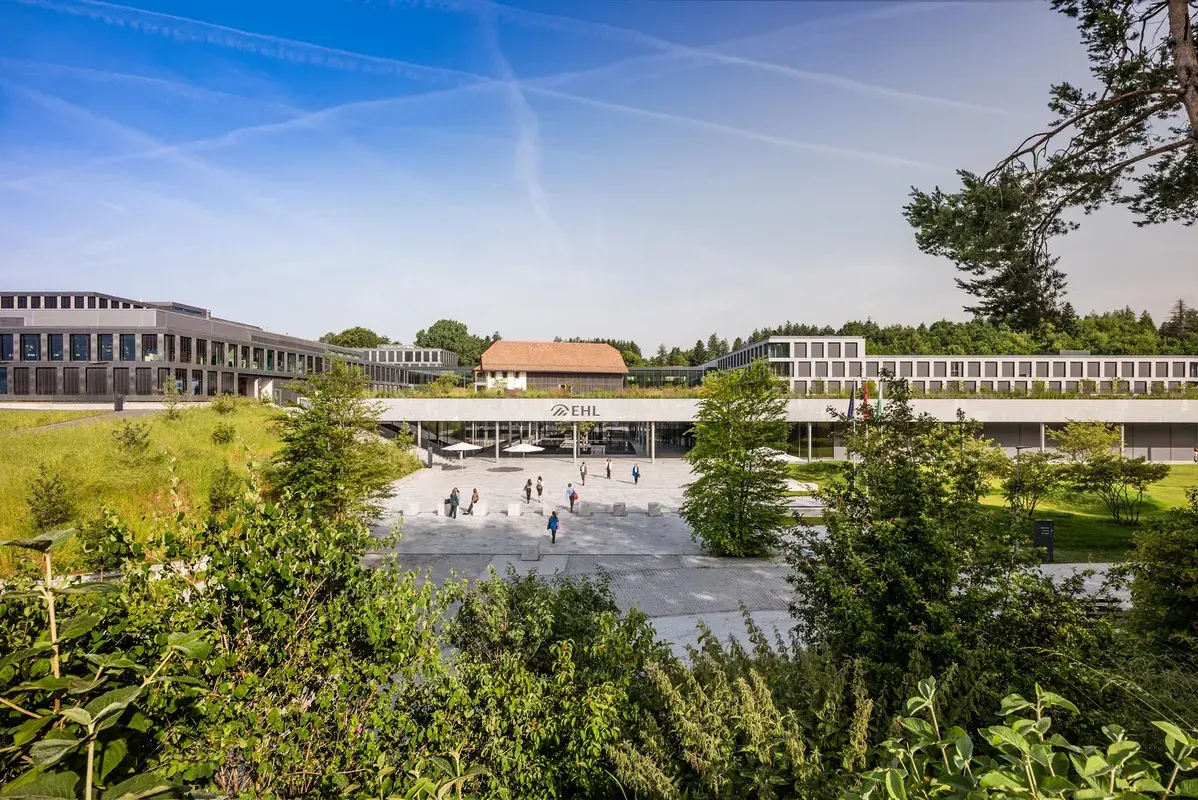
EHL Hospitality Business School
Redefining hospitality leadership through a smart mix of autonomous thinking, respect, empathy, and caring for others.


SHMS Swiss Hotel Management School
Live & Learn Hospitality in Iconic Swiss Palaces. Advance your hospitality career with hands-on education embracing digital transformation.


César Ritz Colleges Switzerland
Learn to Lead. Lead to Succeed. Accredited programs coupled with internships to propel you to a C-Suite position.

Hotel Institute Montreux (HIM)
Swiss craft, American business mind

BHMS Business & Hotel Management School
A leading university in the heart of Switzerland with fast-track degrees in business, hospitality, and culinary arts.

IHTTI School of Hotel Management
Where hospitality meets design
Country intelligence
Studying hospitality management in Switzerland 🇨🇭
Switzerland hosts 15 hospitality-focused institutions across 5 cities, with 6 of them running a hospitality mba in hospitality management. Full-programme tuition typically lands between $29k and $145k, depending on campus, internship structure and length of stay.
Graduates enter a market where Switzerland's hospitality sector is being reshaped by rising demand for experiential luxury, a return of long-haul travel, and the fast professionalisation of wellness, F&B and branded residences. Recruiters here weight paid internships, second-language ability and international placements as heavily as academic transcripts — which is why the hospitality mba programmes listed below all embed at least one operational rotation.
Hospitality MBA programmes in Hospitality Management
MBA in Hospitality & Tourism
BHMS Business & Hotel Management School — Lucerne
Duration
12 months
Tuition
$47,000
Language
—
Level
MBA
MBA in Hospitality & Tourism
IHTTI School of Hotel Management — Neuchâtel
Duration
12 months
Tuition
$53,000
Language
—
Level
MBA
MBA for Hospitality & Service Industries
EHL Hospitality Business School — Lausanne
Duration
16 months
Tuition
$53,000
Language
—
Level
MBA
MBA in Hospitality & Tourism
Hotel Institute Montreux (HIM) — Montreux
Duration
12 months
Tuition
$55,000
Language
—
Level
MBA
MBA in Hospitality & Tourism
César Ritz Colleges Switzerland — Le Bouveret & Brig
Duration
12 months
Tuition
$56,000
Language
—
Level
MBA
MBA in Hospitality & Tourism
SHMS Swiss Hotel Management School — Caux & Leysin
Duration
12 months
Tuition
$57,000
Language
—
Level
MBA
Total annual cost · Switzerland
Tuition is only part of the bill. Below is the realistic year-one budget for a hospitality mba student in Switzerland, including housing, food, transport, insurance and visa fees.
Financial Investment in a Swiss MBA
An MBA in Switzerland is a significant investment. In 2026, students must budget not only for high tuition but for a lifestyle that matches the premium nature of the hospitality industry.
Tuition Fees
Tuition for a top-ranked Swiss MBA in Hospitality typically ranges from CHF 65,000 to CHF 95,000. This often includes access to career services, alumni networks, and sometimes specialized certifications (such as CHIA - Certified Hospitality Industry Analytics).
Living Expenses
Switzerland consistently ranks as one of the most expensive countries in the world.
- Housing: Many schools offer on-campus accommodation, which can range from CHF 1,500 to CHF 2,500 per month. Off-campus housing in cities like Lausanne or Zurich can be higher and requires early planning.
- Mandatory Insurance: All residents must have Swiss health insurance. For students, there are specialized packages (like Swisscare) costing roughly CHF 100–300 per month, though older MBA students may face higher premiums.
- Daily Costs: A meal in a mid-range restaurant costs roughly CHF 35, and a monthly public transport pass is about CHF 80–120.
Financial Aid
While full scholarships are rare, most institutions offer merit-based grants covering 10% to 30% of tuition. Financing is often secured through specialized student loan providers like Prodigy Finance or through home-country sponsorships. Many students also utilize the "paid internship" component (if included in their specific MBA track) to offset some living costs, with a statutory minimum salary of approximately CHF 2,359 per month.
| Item | Amount / year | Note |
|---|---|---|
| Tuition Fees | CHF 65,000 - 95,000 | Covers the full 12-18 month program duration. |
| Accommodation (Monthly) | CHF 1,800 - 2,500 | Varies significantly between Lausanne, Lucerne, and rural campuses. |
| Food & Living (Monthly) | CHF 800 - 1,200 | Switzerland is among the world's most expensive for groceries and dining. |
| Health Insurance (Monthly) | CHF 300 - 450 | Mandatory for all residents in Switzerland. |
| Study Trips & Materials | CHF 3,000 - 5,000 | Includes international field trips and required textbooks. |
Admission reality
What the mba's programmes listed above look for on average. Individual schools vary — always check the school page for the exact bar.
Standard Requirements for Swiss MBA Programs
The Swiss approach to MBA admissions in hospitality is rigorous, focusing on a blend of academic potential and proven industry experience. Unlike general management MBAs, Swiss hospitality schools often prioritize your 'hospitality DNA'—your attitude, service orientation, and professional track record.
Academic Prerequisites
Applicants must hold a Bachelor’s degree from a recognized university. While many students come from a hospitality background, Swiss schools increasingly welcome 'career switchers' from finance, real estate, or marketing, provided they can demonstrate transferable skills. A minimum GPA of 3.0 (on a 4.0 scale) or equivalent is generally expected.
Professional Experience
A distinctive feature of the Swiss MBA is the requirement for work experience. Most top-tier schools (EHL, Glion, Les Roches) require a minimum of 2 to 3 years of professional experience. For Executive MBA variations, this can rise to 10 years. This experience ensures that classroom discussions are grounded in real-world operational challenges.
Standardized Testing and Language
- GMAT/GRE: Many top schools require a GMAT score (typically 600+) or their own internal entrance exams.
- English Proficiency: As programs are taught in English, non-native speakers must provide TOEFL iBT (90+) or IELTS (7.0+) scores.
- Interviews: The interview is a critical component. Admissions officers look for 'soft skills'—emotional intelligence, cultural sensitivity, and leadership potential. Be prepared to discuss global trends and how you handle high-pressure environments.
Documentation
You will need to provide a formal CV, a statement of purpose (focusing on your career goals in the experience economy), and letters of recommendation from professional supervisors rather than just academic professors.
Where in the world is Hospitality Management strongest?
Strongest region: Switzerland & Europe.
Home of the modern hotel school — EHL, Les Roches, Glion, Vatel — with the deepest luxury-brand recruiting network.
Application timeline · September intake
Most Switzerland programmes run rolling admissions with two peak intakes. Work backwards from your target start date.
- 118 months beforeResearch & shortlist
Narrow to 4–6 hospitality management schools in Switzerland. Attend virtual open days.
- 212 months beforeLanguage & aptitude tests
Book IELTS / TOEFL (aim 6.5+ / 90+). Culinary tracks: prep portfolio photos of your dishes.
- 39 months beforeDraft application
Motivation letter, CV, 2 recommendation letters. Request transcripts from your school.
- 46 months beforeSubmit + interview
Most schools interview on video. Some (EHL, Les Roches) require an on-site or timed assessment.
- 54 months beforeOffer, deposit, visa
Pay tuition deposit (usually 10–20%), then start the student visa file for Switzerland.
- 61–2 months beforeHousing & arrival
Book residence hall or shared flat, health insurance, and the flight. Arrive ~2 weeks early for orientation.
Visa & work rights in Switzerland
Rules refreshed for the 2025–26 intake. Confirm current requirements with the nearest embassy before booking travel.
Visa and Post-Study Work Rights
Navigating the Swiss immigration system is essential for international students, particularly those from non-EU/EFTA countries.
Student Visa (Type D)
Once you are accepted into a Swiss school and have paid your deposit, the institution will help you apply for a Type D student visa. You must demonstrate "sufficient financial means" to live in Switzerland (typically around CHF 20,000–25,000 per year in a bank statement).
Post-Graduation Search Period
Upon graduation, international students (non-EU) can apply for a 6-month residence permit extension to look for a job. This is a crucial window. During this time, you are allowed to work up to 15 hours a week while searching for a permanent role.
The Work Permit (The "L" or "B" Permit)
To stay in Switzerland long-term, your employer must prove that they could not find a suitable candidate from Switzerland or the EU/EFTA. However, for MBA-level roles in international hotel groups or luxury brands, this "labor market test" is often easier to pass because of the highly specialized nature of the skill set and the global backgrounds required for these positions.
EU/EFTA Citizens
For citizens of EU/EFTA countries, the process is significantly easier due to the Agreement on the Free Movement of Persons. You have the right to live and work in Switzerland provided you have a valid employment contract.
Scholarships & funding
| Award type | Typical value | How to qualify |
|---|---|---|
| School-specific merit awards | 10–40% off tuition | Awarded on GPA + motivation letter · every major hospitality management school in Switzerland runs one. |
| Government / bilateral grants | Full or partial | Check your home-country ministry of education for Switzerland bilateral scholarships. |
| Industry-sponsored bursaries | $3k–$15k / year | Marriott, Accor, Four Seasons, IHG and Michelin-star groups fund named awards tied to post-graduation internships. |
| Need-based aid | Sliding-scale tuition | Available at most private schools once you hold an offer. Apply within 30 days of acceptance. |
Careers & salaries
Career Outcomes and Salary Pathways
Graduating with an MBA in Hospitality Management from a Swiss institution opens doors that traditional business degrees cannot. The "Swiss Brand" in hospitality is a global gold standard, recognized from Dubai to New York. In 2026, the career trajectory for graduates has expanded beyond hotel operations into luxury retail, private banking, luxury real estate, and experience-based consulting.
The Power of the Alumni Network
Perhaps the greatest career asset is the 'Old Boy' network of Swiss hotel schools. Institutions like EHL and Les Roches have alumni in C-suite positions across the globe. Career fairs on these campuses attract 100+ international brands per semester, specifically recruiting for corporate leadership programs.
Local Salary Bands (CHF)
Switzerland offers the highest hospitality salaries globally, though this is balanced by high cost of living.
- Corporate Trainee / Junior Manager: CHF 75,000 – CHF 90,000
*Typically for recent graduates entering luxury hotel groups or retail management.*
- Department Head / Senior Manager: CHF 95,000 – CHF 130,000
*Roles in Revenue Management, Marketing, or Food & Beverage Directorship.*
- General Manager / Regional Director: CHF 150,000 – CHF 250,000+
*At this level, compensation packages often include bonuses, housing allowances, and performance incentives.*
- Luxury Sector (Watches/Private Banking): CHF 110,000 – CHF 160,000
*Graduates often transition into Relationship Management or Boutique Operations.*
Sector Distribution
While 40% of graduates enter the hotel and tourism sector, nearly 30% now enter the luxury goods and services sector. Another 15% move into finance and real estate, capitalizing on their skills in asset management and high-net-worth client relations. The remaining 15% often pursue entrepreneurship or specialized consulting roles, leveraging the Swiss reputation for precision and service excellence.
| Role | Entry | Mid | Senior |
|---|---|---|---|
| Hotel Revenue Manager | CHF 75,000 | CHF 105,000 | CHF 145,000 |
| Luxury Brand Manager | CHF 85,000 | CHF 120,000 | CHF 180,000 |
| Hospitality Asset Manager | CHF 90,000 | CHF 135,000 | CHF 210,000+ |
| Director of Guest Experience | CHF 80,000 | CHF 110,000 | CHF 160,000+ |
Top employers hiring graduates
Switzerland vs peers for hospitality management
Quick side-by-side of where else this mba is taught at scale. Tap through for the full breakdown.
Strengths
- Global prestige and an elite alumni network that spans all continents.
- High concentration of luxury brand headquarters providing internship and job opportunities.
- High quality of life and safety in a central European location.
- Curriculum focus on 'Experience Design' which is applicable to many high-paying industries.
Trade-offs
- Extremely high tuition and living costs compared to other European destinations.
- Strict visa regulations for non-EU students seeking long-term employment post-graduation.
- The 'Swiss Bubble' can sometimes feel isolated from broader global tech/digital trends.
Editor's verdict
Our verdict
The Verdict: Is a Swiss MBA in Hospitality Worth It?
The decision to pursue an MBA in Hospitality Management in Switzerland is a high-stakes, high-reward move. It is effectively a "finishing school" for the global elite of the service industry.
- It is the right choice if
- You aim for a C-suite role in global travel, want to transition into the ultra-luxury sector, or seek to manage high-value hospitality assets. The ROI is not just in the starting salary, but in the lifetime value of an alumni network that includes the world's most influential hoteliers and luxury CEOs.
- It is the wrong choice if
- You are looking for a low-cost entry into the business world or if you prefer a purely quantitative, spreadsheet-focused education without the "soft skills" baggage. The Swiss model requires you to value poise, presentation, and people as much as profits.
In 2026, the strength of the Swiss Franc and the rising competition from Asian hospitality hubs may seem daunting. However, the "Swiss Brand" remains the world’s most durable currency in the hospitality sector. If you can afford the initial investment, there is no better platform to launch a global career in the experience economy.
Frequently asked questions
›Is a job guaranteed after graduation?
While an MBA doesn't 'guarantee' a job, Swiss hospitality schools have some of the highest employment rates globally, often exceeding 90% within three months of graduation.
›Can I work while studying?
Yes, non-EU students can work up to 15 hours per week during their studies, provided they have been in Switzerland for at least six months. Most MBA students, however, find the workload too intensive for part-time work.
›What is the difference between an MBA and a Hospitality MBA?
A general MBA focuses on broad business across all sectors. A Hospitality MBA uses the travel and luxury sector as the primary lens, emphasizing service excellence, emotional intelligence, and complex operations.
›Is the GMAT mandatory?
Most Top-tier Swiss schools require a GMAT or their own entrance test, but some may waive it for candidates with extensive executive experience.
›Do I need to speak French or German?
Most Swiss MBA programs are taught entirely in English. However, learning French or German is highly recommended for those wishing to work locally in Switzerland.
References & sources
All figures on this page can be traced to the following primary sources.
Other hospitality management programmes by country
Other degrees in Switzerland
Get matched
Hospitality MBA in Hospitality Management, Switzerland
Tell us your background and we'll shortlist the strongest programmes for your profile.