
Hospitality MBA · 🇺🇸 United States
Hospitality MBA in Hospitality Management in United States
The definitive 2026 guide to an MBA in Hospitality Management in the USA. Explore top schools, 2026 salary data ($125k+), STEM visa pathways, and industry trends.
Written by
Marc Delacroix
Former GM, Four Seasons & Rosewood · 22 years in luxury hospitality
Reviewed by Dr. Priya Menon — PhD, Cornell School of Hotel Administration · Senior Advisor, HSMAI
- Average Base Salary
- $125,000+
- Employment Rate
- 94%
- Industry Contribution
- $2.1 Trillion
- STEM Designation
- 60% of top schools
Key takeaways
- The US MBA focuses more on finance, real estate, and tech than pure service operations.
- Top programs like Cornell and UNLV have deep, direct pipelines into Marriott, Hilton, and Disney.
- STEM-designated MBA tracks allow international students to work in the US for up to 3 years post-graduation (OPT).
- Salary outcomes for hospitality MBAs in the US are significantly higher than the global average.
- Networking and 'career treks' are as important as classroom learning in the US system.
Overview
The Pinnacle of Hospitality Leadership: The US MBA
In 2026, the hospitality industry has evolved far beyond the front desk. It is a sector driven by institutional real estate, complex data analytics, and global brand strategy. In the United States, the MBA in Hospitality Management has emerged as the gold standard for those looking to pivot from operations to the boardroom. While traditional hotel schools focus on 'how' to serve, a US MBA focuses on 'why' the business model works and 'how' to scale it.
Why the US for Hospitality Management?
The United States offers an educational environment that is uniquely aggressive and innovative. Unlike the traditional European model, which often emphasizes heritage and classic service, the American MBA is rooted in the "Business of Hospitality." This means students spend as much time in Excel and financial modeling software as they do studying human resources or guest experience.
The Convergence of Finance and Service
The US is the birthplace of the modern hospitality franchise model. Studying here allows students to sit at the epicenter of hotel asset management. You aren't just learning to run a hotel; you are learning to manage a multimillion-dollar real estate asset. Programs are often located in geographic hubs—like Ithaca, Las Vegas, New York, or Orlando—where the local economy is a living classroom.
Networking in the World's Domestic Market
The sheer scale of the US domestic travel market provides a safety net and a springboard. With a US MBA, your network includes the C-suite executives of Fortune 500 companies. The 2026 landscape emphasizes "lifestyle brands" (think W, EDITION, or citizenM), and the US is where these concepts are refined and franchised globally. For a career that spans continents, the American MBA provides the most recognized credential in the corporate world.
A Strategic Move for 2026
As the industry faces challenges like labor shortages and the integration of AI, the need for leaders who can apply data-driven solutions is at an all-time high. This degree is designed for those who want to lead the next generation of hospitality—from "PropTech" startups to global resort developments. If your goal is to manage people, you get a Master's. If your goal is to manage the *business*, you get a US MBA.
Industry snapshot · United States
The US Hospitality Landscape in 2026
The US hospitality industry in 2026 is defined by a "flight to quality" and a rapid shift toward tech-enabled luxury. According to the American Hotel & Lodging Association (AHLA), the industry has moved beyond post-pandemic recovery into an era of sustainable growth, driven largely by 'bleisure' travel—the merging of business and leisure trips.
A Global Powerhouse
The United States remains the headquarters for the world’s largest hotel conglomerates, including Marriott International, Hilton Worldwide, and Hyatt Hotels Corporation. This creates a unique ecosystem where an MBA student isn't just learning service delivery; they are learning global brand management and franchisor-franchisee dynamics. The US market is characterized by high transparency, sophisticated real estate investment trusts (REITs), and a massive "service economy" that accounts for a significant portion of the national GDP.
The Tech Revolution
The American industry is currently leading the global charge in "Hospitality Tech." From the integration of Generative AI for personalized guest journeys to the use of blockchain for loyalty programs, the US is the R&D lab for the world. Studying here provides direct access to the innovators at the intersection of Silicon Valley and the hospitality sector.
Economic Impact
With the travel and tourism sector contributing over $2 trillion to the US economy annually (per WTTC), the demand for high-level management is critical. The domestic market's resilience—supported by a massive internal middle class—makes the US one of the safest and most lucrative environments for hospitality investors and managers alike. In 2026, the focus has shifted toward wellness-integrated stays and "ultra-lifestyle" brands, creating a vacuum for leaders who understand both high-touch service and high-tech efficiency.
Curriculum
The Modern Hospitality MBA Curriculum
The US MBA in Hospitality Management is distinct because it is, first and foremost, a rigorous business degree. The curriculum is typically split into a "Core" year and an "Elective" year, with a heavy emphasis on the "Data-Driven Service" model.
The Business Core (Year 1)
Students must master the fundamentals before specializing. This includes:
- Financial Accounting & Corporate Finance: Analyzing balance sheets and capital structures of hospitality firms.
- Marketing Management: Brand positioning in a crowded global marketplace.
- Microeconomics for Management: Focus on pricing power and demand elasticity.
- Operations & Supply Chain: Managing the massive logistics of global hotel chains.
Hospitality Specialization (Year 2)
This is where the United States excels, offering niche courses that reflect the US industry's focus on finance and technology:
- Hospitality Real Estate Finance: Focusing on the "Asset-Light" model pioneered by US brands.
- Revenue Management & Analytics: Using AI and big data to optimize "RevPar" (Revenue Per Available Room).
- Service Excellence & Experience Design: The psychology of consumer behavior in luxury and lifestyle brands.
- Hospitality Law & Labor Relations: Navigating the complex US regulatory and union environment.
Experiential Learning
Most US programs include a mandatory summer internship (10–12 weeks) between the first and second years. Many also feature "Immersion" projects, where students act as consultants for real-world clients like Hilton or Disney to solve a specific business problem.
Schools offering Hospitality MBA in Hospitality Management · United States
7 accredited institutions teach this pathway in United States. Ranked by hospitality reputation, with tuition, location and heritage side by side.

%20!important%3B%22%2F%3E%20%3Cpath%20d%3D%22M38.895%2025.317v-6.174l-9.126%2013.3c-.836%201.255-2.42%203.195-2.42%209.45v15.905l7.284-9.871c4.918-5.97%204.183-13.032%204.261-15.046v-3.617c5.397%203.984%208.897%2010.388%208.897%2017.61%200%2012.082-9.794%2021.877-21.875%2021.877-12.082%200-21.877-9.795-21.877-21.876%200-7.223%203.5-13.627%208.896-17.611l.002%203.617c.075%202.014-.659%209.076%204.26%2015.046l7.284%209.87V41.895c0-6.256-1.584-8.196-2.42-9.45l-9.126-13.301v6.174C5.636%2029.72.755%2037.727.755%2046.875c0%2013.896%2011.264%2025.16%2025.16%2025.16%2013.895%200%2025.16-11.264%2025.16-25.16%200-9.147-4.882-17.154-12.18-21.558%22%20fill%3D%22%23FF8A04%22%20style%3D%22fill%3A%20rgb(255%2C%20138%2C%204)%20!important%3B%22%2F%3E%20%3Cpath%20d%3D%22M72.524%2052.95c-3.631%200-6.305%202.699-6.305%206.55v.197c0%203.753%202.625%206.526%206.28%206.526%203.63%200%206.33-2.674%206.33-6.55v-.197c0-3.852-2.674-6.526-6.305-6.526Zm4.195%206.747c0%202.895-1.62%204.833-4.195%204.833-2.625%200-4.195-1.89-4.195-4.833V59.5c0-2.944%201.619-4.857%204.195-4.857%202.552%200%204.195%201.913%204.195%204.882v.172ZM85.815%2048.657c.564%200%201.08.098%201.448.27v-1.718c-.516-.172-.859-.245-1.522-.245-2.55%200-3.827%201.496-3.827%204.122v2.156h-1.84v1.594h1.84v9.57h-1.79v1.596h6.132v-1.595H83.95v-9.571h3.14v-1.594h-3.14v-2.353c0-1.35.515-2.232%201.865-2.232M133.234%2064.407v-6.355c0-3.728-1.963-5.103-4.245-5.103-1.594%200-3.385.835-4.244%202.602-.662-1.89-2.11-2.602-3.753-2.602-1.865%200-3.24%201.08-3.754%202.331v-2.039h-3.877v1.595h1.84v9.571h-1.791v1.594h5.668v-1.594h-1.84V58.15c0-2.306%201.643-3.434%203.312-3.434%201.767%200%202.649.932%202.649%203.19v6.501h-1.84v1.594h5.717v-1.594h-1.841V58.15c0-2.306%201.645-3.434%203.312-3.434%201.768%200%202.65.932%202.65%203.19v6.501h-1.84v1.594h5.668v-1.594h-1.791ZM110.054%2064.407l-6.083-15.947h-2.846l-6.18%2015.947H93.25v1.594h5.642v-1.594h-1.938l1.677-4.417h7.635l1.677%204.417h-1.913v1.594h5.74v-1.594h-1.717Zm-10.788-6.06%203.135-8.12h.098l3.134%208.12h-6.367ZM79.198%2035.654c-.466%202.871-2.43%204.293-5.3%204.293-3.778%200-6.035-2.699-6.035-7.163v-.196c0-4.417%202.43-7.238%206.06-7.238%202.674%200%204.49%201.13%205.201%204.048h1.791v-5.397h-1.913v2.011c-.908-1.644-2.798-2.355-5.03-2.355-4.809%200-8.317%203.754-8.317%208.955v.196c0%205.398%203.116%208.881%208.194%208.881%203.925%200%206.723-1.987%207.336-6.035h-1.987ZM95.043%2039.874V28.709h-3.827v1.594h1.79v6.088c0%202.355-1.692%203.532-3.435%203.532-1.962%200-2.919-.981-2.919-3.254v-7.96h-3.827v1.594h1.791v6.308c0%203.705%201.864%205.078%204.416%205.078%201.987%200%203.386-1.201%203.974-2.379v2.159h3.828v-1.595h-1.79ZM242.255%2039.874V28.709h-3.828v1.594h1.792v6.088c0%202.355-1.693%203.532-3.435%203.532-1.963%200-2.92-.981-2.92-3.254v-7.96h-3.827v1.594h1.791v6.308c0%203.705%201.864%205.078%204.416%205.078%201.987%200%203.386-1.201%203.975-2.379v2.159h3.827v-1.595h-1.79ZM102.295%2039.874V22.406h-3.901v1.595h1.84v15.873h-1.791v1.595h5.643v-1.595zM109.757%2039.874V28.709h-3.876v1.594h1.84v9.571h-1.79v1.595h5.666v-1.595zM108.629%2023.216c-.76%200-1.398.589-1.398%201.374a1.398%201.398%200%201%200%202.797%200c0-.785-.638-1.374-1.4-1.374M125.483%2039.874v-6.378c0-3.705-1.889-5.079-4.465-5.079-2.036%200-3.435%201.202-4.023%202.38v-2.088h-3.877v1.594h1.84v9.571h-1.79v1.595h5.667v-1.595h-1.84v-6.231c0-2.258%201.668-3.459%203.483-3.459%201.987%200%202.97%201.005%202.97%203.164v6.526h-1.84v1.595h5.666v-1.595h-1.79ZM138.576%2039.874v-6.869c0-3.705-2.233-4.588-4.637-4.588-2.453%200-4.711.957-4.98%203.999h2.036c.196-1.668%201.104-2.307%202.846-2.307%201.864%200%202.698.737%202.698%202.896v.932h-1.79c-3.263%200-6.33.957-6.33%203.975%200%202.625%201.815%203.557%204.17%203.557%201.865%200%203.092-.417%203.95-1.766v1.766h3.754v-1.595h-1.717Zm-2.037-2.895c0%201.963-1.668%203.091-3.753%203.091-1.742%200-2.331-.981-2.331-2.158%200-1.865%201.84-2.527%204.367-2.527h1.717v1.594ZM150.33%2030.429v-2.012c-2.65%200-4.024%201.325-4.613%202.674v-2.382h-3.877v1.595h1.84v9.57h-1.79v1.596h5.79v-1.596h-1.963v-5.446c0-3.165%201.815-4%204.612-4M177.259%2025.595v-1.594h-6.55v1.594h2.208v14.28h-2.208v1.594h6.55v-1.595h-2.208V25.595zM159.884%2028.709v1.594h1.937l-2.918%207.535-3.214-7.535h1.864v-1.594h-5.642v1.594h1.62l4.292%209.841-.63%201.497c-.687%201.324-.77%202.723-2.463%202.723-.417%200-1.08-.103-1.449-.128v1.524c.515.074%201.302.174%201.817.174%202.282%200%202.786-1.325%203.596-3.238l5.115-12.393h1.571v-1.594h-5.496ZM191.42%2039.874v-6.378c0-3.705-1.89-5.079-4.466-5.079-2.036%200-3.434%201.202-4.024%202.38v-2.088h-3.876v1.594h1.84v9.571h-1.79v1.595h5.667v-1.595h-1.84v-6.231c0-2.258%201.668-3.459%203.484-3.459%201.986%200%202.968%201.005%202.968%203.164v6.526h-1.84v1.595h5.667v-1.595h-1.79ZM199.69%2033.962c-2.355-.466-2.993-1.031-2.993-2.16%200-1.201.882-1.766%202.355-1.766%201.669%200%202.772.859%203.067%202.306h1.668v-3.633h-1.718v1.278c-.465-.907-1.348-1.57-3.213-1.57-2.233%200-4.048%201.276-4.048%203.435%200%202.134%201.129%203.337%204.465%203.925%201.987.368%203.018.834%203.018%202.184%200%201.398-.885%202.109-2.626%202.109-1.938%200-3.164-1.374-3.434-2.87h-1.668v4.269h1.717v-1.57c.319.785%201.349%201.79%203.335%201.79%203.067%200%204.613-1.57%204.613-3.851%200-2.7-1.913-3.361-4.538-3.876M211.467%2039.923c-1.276%200-1.84-.613-1.84-1.865v-7.755h3.312V28.71h-3.312v-3.114h-2.036v3.114h-1.84v1.594h1.84v7.952c0%202.036%201.128%203.385%203.704%203.385.761%200%201.276-.122%201.84-.295V39.63a5.324%205.324%200%200%201-1.668.294M227.206%2039.923c-1.276%200-1.84-.613-1.84-1.865v-7.755h3.312V28.71h-3.312v-3.114h-2.036v3.114h-1.84v1.594h1.84v7.952c0%202.036%201.128%203.385%203.705%203.385.76%200%201.275-.122%201.84-.295V39.63a5.324%205.324%200%200%201-1.669.294M250.411%2039.923c-1.275%200-1.84-.613-1.84-1.865v-7.755h3.312V28.71h-3.312v-3.114h-2.036v3.114h-1.84v1.594h1.84v7.952c0%202.036%201.128%203.385%203.705%203.385.76%200%201.275-.122%201.84-.295V39.63a5.32%205.32%200%200%201-1.669.294M147.888%2059.328c0-4.587-2.796-6.378-5.765-6.378-3.533%200-6.011%202.698-6.011%206.574v.197c0%203.925%202.576%206.502%206.207%206.502%202.92%200%205.005-1.35%205.47-3.926h-2.035c-.27%201.496-1.4%202.232-3.411%202.232-2.65%200-4.023-1.594-4.121-4.538h9.666v-.663Zm-9.592-.98c.367-2.283%201.74-3.706%203.827-3.706%202.134%200%203.484%201.055%203.68%203.705h-7.507ZM217.431%2025.988c.761%200%201.4-.613%201.4-1.399%200-.785-.639-1.373-1.4-1.373-.76%200-1.398.588-1.398%201.373%200%20.786.638%201.4%201.398%201.4M218.56%2039.874V28.709h-3.876v1.594h1.84v9.571h-1.79v1.595h5.666v-1.595zM176.644%2061.39c-.196%202.084-1.863%203.14-3.68%203.14-2.477%200-4.195-1.644-4.195-4.809v-.196c0-3.018%201.792-4.883%204.123-4.883%202.183%200%203.336%201.13%203.802%202.871h1.742v-4.27h-1.792v1.596c-.514-1.055-1.595-1.889-3.752-1.889-3.435%200-6.232%202.65-6.232%206.575v.196c0%204%202.698%206.501%206.28%206.501%203.067%200%205.323-2.06%205.594-4.833h-1.89ZM163.762%2064.407V53.241h-3.876v1.595h1.84v9.571h-1.79v1.594h5.666v-1.594zM162.634%2047.748c-.761%200-1.398.59-1.398%201.375s.637%201.398%201.398%201.398c.76%200%201.398-.614%201.398-1.398%200-.785-.638-1.374-1.398-1.374M190.655%2064.407v-6.87c0-3.705-2.233-4.588-4.637-4.588-2.453%200-4.71.957-4.98%204h2.036c.196-1.669%201.104-2.307%202.846-2.307%201.864%200%202.698.737%202.698%202.895v.933h-1.79c-3.263%200-6.33.957-6.33%203.974%200%202.625%201.815%203.557%204.171%203.557%201.864%200%203.09-.417%203.95-1.766v1.766h3.753v-1.594h-1.717Zm-2.037-2.896c0%201.963-1.668%203.092-3.754%203.092-1.74%200-2.33-.98-2.33-2.159%200-1.865%201.84-2.527%204.367-2.527h1.717v1.594ZM158.218%2054.961V52.95c-2.65%200-4.024%201.325-4.612%202.675v-2.383h-3.877v1.595h1.841v9.571h-1.792v1.594h5.79v-1.594h-1.962V58.96c0-3.165%201.816-3.999%204.612-3.999M265.006%2034.795c0-4.587-2.796-6.378-5.765-6.378-3.533%200-6.011%202.698-6.011%206.574v.197c0%203.925%202.576%206.501%206.207%206.501%202.92%200%205.005-1.349%205.47-3.925h-2.035c-.27%201.496-1.4%202.232-3.411%202.232-2.65%200-4.023-1.594-4.121-4.538h9.666v-.663Zm-9.592-.98c.367-2.283%201.74-3.706%203.827-3.706%202.134%200%203.484%201.056%203.68%203.705h-7.507Z%22%20fill%3D%22%23006748%22%20style%3D%22fill%3A%20rgb(0%2C%20103%2C%2072)%20!important%3B%22%2F%3E%20%3C%2Fg%3E%20%3C%2Fsvg%3E)
The Culinary Institute of America
Food is your Passion. Future. Life. The World’s Premier Culinary College where your journey in food begins.


Penn State School of Hospitality Management
Shaping the future of hospitality management since 1937 at University Park.
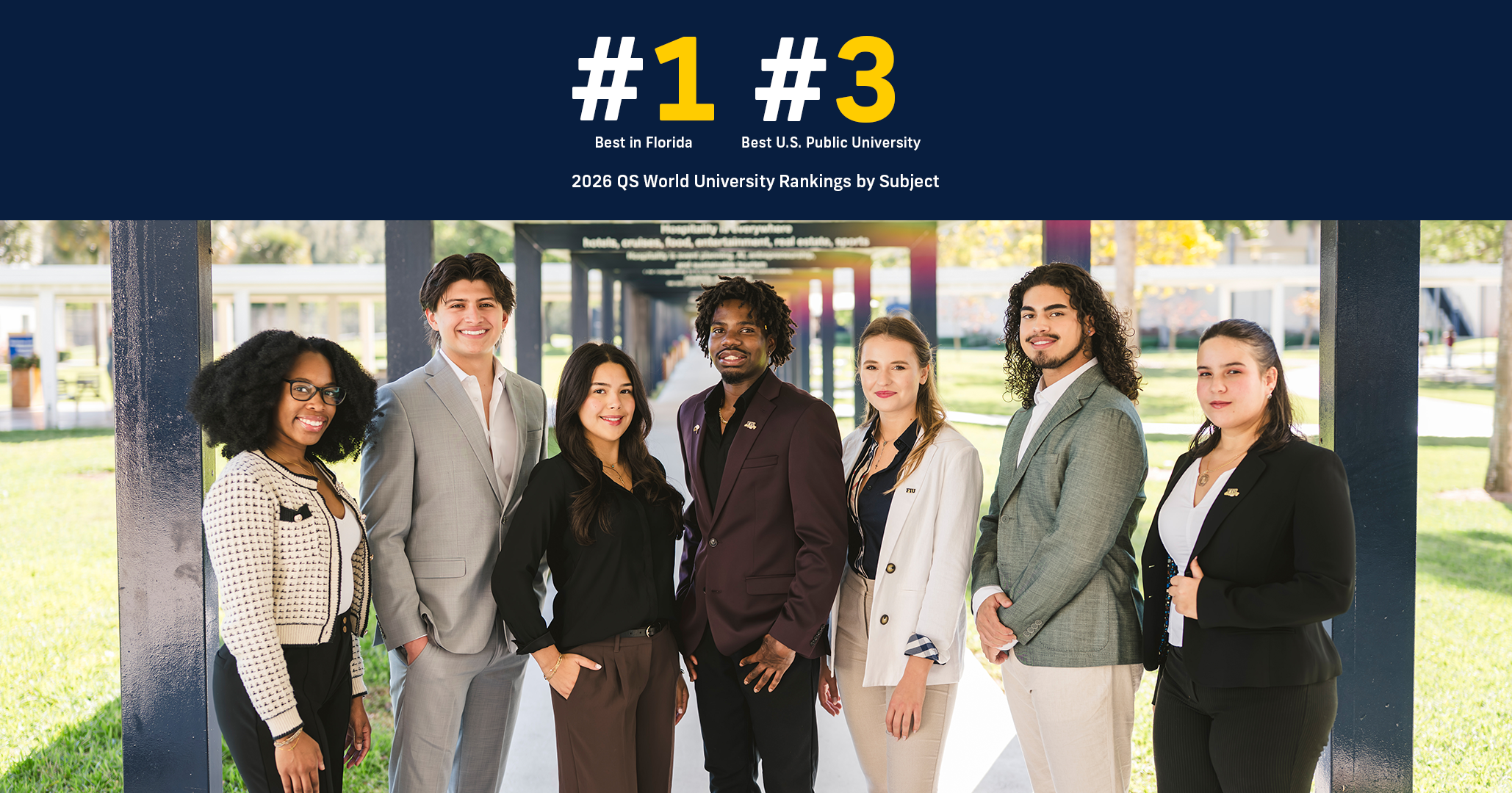
Florida International University - Chaplin School
Discover hospitality management at a top-ranked school in a global destination.


UNLV Harrah College of Hospitality
Creating the global standard in hospitality education from the heart of Las Vegas.


NYU Tisch Center of Hospitality
Educating the leaders of hospitality, travel, and tourism since 1995.
Boston University School of Hospitality
Changing the way the world looks at hospitality through Experience Innovation.

Johnson & Wales University
The culinary university
Country intelligence
Studying hospitality management in United States 🇺🇸
United States hosts 39 hospitality-focused institutions across 6 cities, with 7 of them running a hospitality mba in hospitality management. Full-programme tuition typically lands between $17k and $144k, depending on campus, internship structure and length of stay.
Graduates enter a market where United States's hospitality sector is being reshaped by rising demand for experiential luxury, a return of long-haul travel, and the fast professionalisation of wellness, F&B and branded residences. Recruiters here weight paid internships, second-language ability and international placements as heavily as academic transcripts — which is why the hospitality mba programmes listed below all embed at least one operational rotation.
Hospitality MBA programmes in Hospitality Management
MBA in Hospitality & Tourism
UNLV Harrah College of Hospitality — Las Vegas
Duration
12 months
Tuition
$43,000
Language
—
Level
MBA
MBA in Hospitality & Tourism
Johnson & Wales University — Providence
Duration
12 months
Tuition
$43,000
Language
—
Level
MBA
MBA in Hospitality & Tourism
The Culinary Institute of America — Hyde Park
Duration
12 months
Tuition
$47,000
Language
—
Level
MBA
MBA in Hospitality & Tourism
Penn State School of Hospitality Management — University Park
Duration
12 months
Tuition
$50,000
Language
—
Level
MBA
MBA in Hospitality & Tourism
Florida International University - Chaplin School — Miami
Duration
12 months
Tuition
$60,000
Language
—
Level
MBA
MBA in Hospitality & Tourism
Boston University School of Hospitality — Boston
Duration
12 months
Tuition
$70,000
Language
—
Level
MBA
MBA in Hospitality & Tourism
NYU Tisch Center of Hospitality — New York
Duration
12 months
Tuition
$77,000
Language
—
Level
MBA
Total annual cost · United States
Tuition is only part of the bill. Below is the realistic year-one budget for a hospitality mba student in United States, including housing, food, transport, insurance and visa fees.
Cost of Study and Living in the United States
Pursuing an MBA in the US is a major financial undertaking, often viewed as a "Capex" investment in one's own career.
Tuition Fees
For the 2025-2026 academic year, tuition at top-tier private institutions (like Cornell’s SC Johnson or NYU Stern) ranges from $78,000 to $85,000 per year. Public universities (such as the University of Nevada, Las Vegas or Michigan State) offer more affordable rates, particularly for in-state residents, with annual tuition typically between $30,000 and $55,000.
Living Expenses
US living costs vary wildly by geography. Students in New York City or Boston should budget at least $2,500 - $3,500 per month for a modest apartment, food, and transport. In smaller college towns or "Tier 2" cities, this can drop to $1,500 - $2,200 per month.
Hidden Costs
Professional networking is a core component of the US MBA. Students should budget for "treks" to hospitality hubs (Vegas, Miami, NYC), registration for major conferences like the International Hotel, Motel + Restaurant Show, and membership in organizations like the Hospitality Sales and Marketing Association International (HSMAI).
Financial Aid and Scholarships
While the sticker price is high, most US schools offer merit-based scholarships. Hospitality-specific scholarships are also available through the American Hotel & Lodging Educational Foundation (AHLEF) and California Hotel & Lodging Association (CHLA). International students may find limited loan options without a US co-signer, though some schools partner with lenders like MPOWER or Prodigy Finance.
| Item | Amount / year | Note |
|---|---|---|
| Annual Tuition (Private/Top-tier) | $65,000 - $85,000 | Public universities may be lower for residents. |
| Housing & Food | $22,000 - $30,000 | Highly dependent on city (e.g., NYC/Boston vs. Ithaca). |
| Books & Supplies | $2,500 - $4,000 | Includes software licenses and case study fees. |
| Health Insurance | $3,000 - $5,000 | Mandatory for international students. |
| Travel & Networking | $2,000 - $5,000 | Includes treks to industry conferences like ALIS or NYU Investment Forum. |
Admission reality
What the mba's programmes listed above look for on average. Individual schools vary — always check the school page for the exact bar.
Admission Standards for Top US MBA Programs
Securing a seat in a premier MBA in Hospitality Management program in the United States requires a blend of academic rigor, professional achievements, and cultural fit. Unlike specialized Master's degrees, MBA programs prioritize candidates who can contribute diverse perspectives to the classroom.
Academic Prerequisites
Applicants must hold a four-year bachelor’s degree from an accredited institution. While a background in hospitality or business is common, many programs actively seek "poets"—candidates from non-traditional backgrounds like the arts or sciences—provided they demonstrate quantitative readiness. A minimum GPA of 3.0 is standard, though top-tier programs often see averages around 3.5 to 3.7.
Standardized Testing (GRE/GMAT)
Most competitive programs require either the GMAT or the GRE. For 2026, many US business schools have maintained "test-optional" policies, but hospitality-focused applicants are encouraged to submit scores to demonstrate analytical capability. Competitive GMAT scores usually range from 650 to 730.
Professional Experience
This is the most critical component. Most US MBAs expect 3 to 6 years of full-time, post-undergraduate work experience. For the hospitality track, admissions officers look for leadership roles in hotels, restaurants, tourism boards, or real estate investment firms.
Essential Documentation
- Letters of Recommendation: Usually two, focused on professional leadership and potential.
- Statement of Purpose: A narrative explaining how an MBA, specifically in hospitality, fits your career arc.
- Interviews: Often by invitation, conducted by alumni or admissions staff to assess communication and "soft skills" vital to the service industry.
- English Proficiency: TOEFL or IELTS scores are mandatory for international students (typically TOEFL 100+).
Where in the world is Hospitality Management strongest?
Strongest region: Switzerland & Europe.
Home of the modern hotel school — EHL, Les Roches, Glion, Vatel — with the deepest luxury-brand recruiting network.
Note: United States is not on the top-region list for hospitality management. It can still be a good fit for specific reasons (language, family, target employer, cost), but for maximum brand access consider one of the primary regions above.
Application timeline · September intake
Most United States programmes run rolling admissions with two peak intakes. Work backwards from your target start date.
- 118 months beforeResearch & shortlist
Narrow to 4–6 hospitality management schools in United States. Attend virtual open days.
- 212 months beforeLanguage & aptitude tests
Book IELTS / TOEFL (aim 6.5+ / 90+). Culinary tracks: prep portfolio photos of your dishes.
- 39 months beforeDraft application
Motivation letter, CV, 2 recommendation letters. Request transcripts from your school.
- 46 months beforeSubmit + interview
Most schools interview on video. Some (EHL, Les Roches) require an on-site or timed assessment.
- 54 months beforeOffer, deposit, visa
Pay tuition deposit (usually 10–20%), then start the student visa file for United States.
- 61–2 months beforeHousing & arrival
Book residence hall or shared flat, health insurance, and the flight. Arrive ~2 weeks early for orientation.
Visa & work rights in United States
Rules refreshed for the 2025–26 intake. Confirm current requirements with the nearest embassy before booking travel.
Visa Pathways and Post-Study Work Rights
For international students, the US "F-1" student visa is the primary entry route. However, the real value lies in the "Optional Practical Training" (OPT) program.
Standard OPT vs. STEM OPT
- Standard OPT: Allows all graduates to work in the US for 12 months in a role directly related to their field of study.
- STEM OPT Extension: Many MBA programs in the US have now redesigned their hospitality tracks to qualify as "STEM-designated" (typically under "Management Science" or "Business Analytics"). This allows students to apply for an additional 24-month extension, totaling 36 months of work authorization without needing a new H-1B visa.
The H-1B Lottery
Post-OPT, most graduates transition to an H-1B visa. This is a competitive, lottery-based system. Having 36 months of OPT (via a STEM-designated degree) gives you three "bites at the apple" to win the lottery while already working for a US employer.
Sponsorship Trends for 2026
Major hospitality employers like Marriott and high-end consulting firms are experienced in H-1B sponsorship. However, smaller hotel groups or independent restaurants are less likely to sponsor. Students should target large corporate entities or institutional investors if they intend to stay long-term.
The "O-1" and "EB" Pathways
For those with extraordinary ability or those whose employers are willing to sponsor a Green Card (EB-2 or EB-3), the path to permanent residency is possible but usually takes several years of consistent employment and legal processing.
Scholarships & funding
| Award type | Typical value | How to qualify |
|---|---|---|
| School-specific merit awards | 10–40% off tuition | Awarded on GPA + motivation letter · every major hospitality management school in United States runs one. |
| Government / bilateral grants | Full or partial | Check your home-country ministry of education for United States bilateral scholarships. |
| Industry-sponsored bursaries | $3k–$15k / year | Marriott, Accor, Four Seasons, IHG and Michelin-star groups fund named awards tied to post-graduation internships. |
| Need-based aid | Sliding-scale tuition | Available at most private schools once you hold an offer. Apply within 30 days of acceptance. |
Careers & salaries
Career Outcomes and Salary Prospects
An MBA in Hospitality Management from a US institution is a "door-opener" for high-level executive and ownership roles. The degree shifts the graduate's profile from operational management to strategic leadership and asset management.
Executive Leadership and Operations
Graduates often enter "LDPs" (Leadership Development Programs) at major brands like Hilton, Marriott, or Hyatt. These fast-track programs lead to General Manager (GM) roles or regional operations management. In the US, a GM at a flagship urban property can earn significant performance-based bonuses alongside a high base salary.
Hospitality Finance and Asset Management
A growing segment of MBA graduates moves into the "owner side" of the industry. This includes working for Real Estate Investment Trusts (REITs) like Host Hotels & Resorts or private equity firms like Blackstone. Roles involve analyzing hotel portfolios, managing capital expenditures, and optimizing ROI for hospitality assets.
Consulting and Technology
Major consulting firms (McKinsey, BCG, Deloitte) have dedicated travel and tourism practices. MBA graduates are recruited as Associates to solve complex logistics, pricing, and digital transformation issues for airlines and global hotel chains. Additionally, the "Travel Tech" sector (Expedia, Airbnb, Sabre) heavily recruits US MBAs for product management and strategic growth roles.
Salary Bands (2026 Estimates in USD)
- Hospitality Consultant: $110,000 – $165,000 base + bonus.
- Asset Manager (Real Estate): $120,000 – $180,000.
- Director of Operations (Regional): $130,000 – $190,000.
- Revenue Management Director: $115,000 – $160,000.
- VP of Brand Strategy: $170,000 – $250,000+.
The "MBA Premium" in the US hospitality sector is significant; graduates typically see a 60% to 100% salary increase from their pre-MBA earnings within three years of graduation, especially those transitioning into finance or tech-adjacent roles.
| Role | Entry | Mid | Senior |
|---|---|---|---|
| Hospitality Asset Manager | $105,000 | $145,000 | $210,000+ |
| Management Consultant (Travel/Tourism) | $110,000 | $155,000 | $250,000+ |
| National Sales/Marketing Director | $95,000 | $135,000 | $185,000+ |
| Director of Revenue Management | $90,000 | $125,000 | $175,000+ |
Top employers hiring graduates
United States vs peers for hospitality management
Quick side-by-side of where else this mba is taught at scale. Tap through for the full breakdown.
Strengths
- Unrivaled networking with C-suite executives from global hotel brands.
- Heavy focus on high-paying fields like Hospitality Real Estate and Finance.
- STEM-track options provide extended work rights for international students.
- Access to the world’s most advanced 'Travel Tech' and 'PropTech' ecosystem.
Trade-offs
- High cost of tuition and living compared to European or Asian programs.
- Rigorous quantitative focus may be a hurdle for those purely interested in 'soft' hospitality.
- Intense competition for top-tier internships in primary markets like NYC or LA.
Editor's verdict
Our verdict
The Verdict: Is a US Hospitality MBA Worth It?
The decision to pursue an MBA in Hospitality Management in the United States in 2026 depends entirely on your ultimate career destination.
If your goal is to manage a boutique hotel in rural Europe or focus purely on the culinary arts, this degree is likely overkill and financially inefficient. However, if you aspire to reach the C-suite of a global brand, pivot into Hospitality Real Estate, or lead a Travel-Tech startup, the US MBA is the most powerful tool at your disposal.
The American program is designed for the "Aggressive Careerist." It provides a level of quantitative training and professional networking that is unmatched elsewhere. While the initial debt may seem daunting—often exceeding $150,000 for a two-year program—the ROI is demonstrably high. With starting packages frequently crossing the $120,000 mark and a clear pathway to much higher executive compensation, the degree pays for itself within five to seven years for the average graduate.
For international students, the STEM designation of modern programs has changed the game, offering a three-year window to earn in USD and gain invaluable experience in the world's most competitive market. In short: if you want to lead the *business* of hospitality, there is no better place to be in 2026 than a top-tier US business school.
Frequently asked questions
›Is an MBA in Hospitality considered a STEM degree?
Yes, many programs like Cornell's are STEM-designated, allowing for a 36-month OPT period.
›What is the difference between an MBA and an MMH?
While a Master of Management in Hospitality (MMH) is more operational, the MBA is a broader business degree that facilitates moves into finance, consulting, and corporate strategy.
›Can I apply directly after my Bachelor's degree?
Generally, no. Most top US programs require at least 2-3 years of work experience to ensure productive classroom discussion.
›Where are the best cities for hospitality internships?
Common hubs include Las Vegas (gaming/resorts), Orlando (theme parks), New York (luxury/finance), and Dallas (corporate headquarters).
›How does the ROI compare to European hospitality schools?
Salaries are among the highest globally, but the cost of education and living is also significantly higher than in Europe.
References & sources
All figures on this page can be traced to the following primary sources.
- [1]2025 State of the Hotel Industry Report — American Hotel & Lodging Association (AHLA) (2025)
- [2]Economic Impact Research: United States 2025 — World Travel & Tourism Council (WTTC) (2025)
- [3]Optional Practical Training (OPT) for F-1 Students — U.S. Citizenship and Immigration Services (USCIS) (2025)
Other hospitality management programmes by country
Other degrees in United States
Get matched
Hospitality MBA in Hospitality Management, United States
Tell us your background and we'll shortlist the strongest programmes for your profile.