Hospitality MBA · 🇬🇧 United Kingdom
Hospitality MBA in Hospitality Management in United Kingdom
The definitive 2026 guide to a Hospitality MBA in the UK. Discover salary projections (£70k+), curriculum details, visa pathways, and industry trends.
Written by
Marc Delacroix
Former GM, Four Seasons & Rosewood · 22 years in luxury hospitality
Reviewed by Dr. Priya Menon — PhD, Cornell School of Hotel Administration · Senior Advisor, HSMAI
- Industry Value
- £140 Billion+
- Average Salary Increase
- 35% – 50%
- Visa Duration
- 2 Years
- Typical Duration
- 12 Months
Key takeaways
- The UK Hospitality MBA focuses heavily on Real Estate and Asset Management.
- Admissions require at least 3 years of professional experience.
- London is the headquarters for major global hotel groups, offering unparalleled networking.
- The 2-year Graduate Route visa provides a clear pathway to UK employment.
- Sustainability (ESG) is a core component of the modern UK hospitality curriculum.
Overview
The Strategic Edge of a Hospitality MBA in the United Kingdom
In the global landscape of business education, the UK offers a distinct advantage for those pursuing an MBA in Hospitality Management. While Switzerland is often synonymous with operational precision and the US with massive scale, the United Kingdom represents the strategic bridge. It is the place where high-finance meets "The Art of Service." As we look toward 2026, a UK-based MBA is no longer just about learning how to run a hotel; it is about mastering the complex ecosystem of hospitality real estate, luxury branding, and global digital distribution.
Why the UK for your MBA?
The UK’s hospitality sector is currently undergoing a radical transformation. With the "experience economy" valued higher than ever, British institutions have redesigned their MBA programs to move beyond the lobby. Students in 2026 are expected to analyze hotel portfolios as financial assets, navigate the intricacies of post-Brexit labor markets, and lead the charge in decarbonizing one of the world’s most carbon-intensive industries.
Studying here puts you within a two-hour train ride of some of the world’s most iconic hospitality landmarks—from the historic Savoys and Claridge’s of London to the pioneering eco-resorts of the Scottish Highlands. This proximity translates to a classroom experience that is deeply integrated with industry. You aren't just reading case studies about the Marriott-Starwood merger; you are being lectured by the directors who oversaw the integration.
The MBA vs. The MSc: Understanding the Difference
It is vital to distinguish the MBA level from a standard Master’s (MSc). In the UK, an MSc in Hospitality is typically designed for "early-career" professionals looking to specialize. The MBA, conversely, is a "mid-to-senior" career accelerator. It assumes you already know the basics of service delivery. The curriculum instead focuses on leadership, high-level financial modeling, and corporate strategy. If your goal is to transition from a Front Office Manager to a Regional Director or an Asset Manager for a private equity firm, the UK MBA is the definitive credential to get you there.
A Gateway to Global Leadership
Finally, the UK’s geographical and cultural positioning makes it a truly international classroom. In a typical London or Manchester-based MBA cohort, you will find yourself collaborating with peers from over 20 different countries. This diversity is not just a "bonus"; in 2026’s globalized hospitality market, the ability to manage cross-cultural teams is a core competency that UK programs cultivate through intense, group-based project work and international study tours.
Industry snapshot · United Kingdom
The UK Hospitality Industry: A 2026 Perspective
The hospitality industry in the United Kingdom is a cornerstone of the national economy, contributing over £140 billion annually and employing over 3 million people. Entering 2026, the sector has transitioned from recovery to a "new prestige" era, characterized by high-tech integration and a massive surge in luxury asset investment.
A Global Hub for Corporate HQ
London remains the global or European headquarters for many of the world’s leading hospitality brands, including InterContinental Hotels Group (IHG) and Whitbread (Premier Inn). This concentration makes the UK a unique place to study an MBA, as the proximity to "Head Office" functions—Finance, Global Strategy, and Brand Development—is unparalleled.
The Post-Digital Shift
By 2026, the UK industry is heavily focused on the intersection of data and guest experience. The rise of "Lifestyle Hotels" and "Aparthotels" has changed the investment landscape. MBA students in the UK are at the epicenter of this shift, observing firsthand how brands like Ennismore and CitizenM disrupt traditional hotel models through technology and social-led design.
Workforce and Policy Landscape
The UK industry faces unique challenges, notably labor shortages post-Brexit, which has accelerated the adoption of robotics and AI in service operations. For an MBA student, this provides a "living lab" to study crisis management, labor economics, and automation strategy. Furthermore, the UK’s commitment to being a world leader in Green Tourism (supported by VisitBritain’s "Good to Go" and sustainability initiatives) means that ESG (Environmental, Social, and Governance) is no longer an elective—it is the core of British hospitality management.
Key Centers of Excellence
- London: The undisputed capital for luxury hotels and Michelin-starred dining.
- The Scottish Highlands & Edinburgh: Leaders in "Eco-Tourism" and luxury heritage travel.
- The Cotswolds: A hub for the growing "Boutique and Lifestyle" rural hospitality sector.
Curriculum
The Hospitality MBA Curriculum in the UK
The UK MBA in Hospitality Management is distinct because it combines the rigorous "London-style" corporate finance and strategy modules with the British tradition of high-end service excellence. Unlike a standard Master’s, the MBA curriculum is designed around the Chief Operating Officer (COO) and Asset Manager perspectives.
Core Business Pillars
All UK MBAs start with a foundation in general management, usually delivered in the first semester:
- Strategic Accounting & Finance: Understanding P&L, balance sheets, and hotel-specific "Uniform System of Accounts" (USALI).
- Marketing & Digital Distribution: Focusing on the shift from traditional booking to Meta-search and OTA management.
- Organizational Behavior: Leadership in a high-turnover, multicultural workforce.
Hospitality Specialization Modules
In the second half of the program, students dive into sector-specific challenges:
- Hospitality Real Estate & Asset Management: This is a major focus in the UK, where students learn about management contracts, franchise agreements, and property valuation.
- Service Operations Management: Applying Lean and Six Sigma principles to luxury service environments.
- Sustainability & ESG in Tourism: Aligning with the UK’s "Net Zero" targets, focusing on ethical sourcing and carbon-footprint reduction in large-scale operations.
The Management Project (Dissertation Alternative)
Most UK programs replace the traditional academic dissertation with an Action Learning Project or Consultancy Project. Students are often embedded within a UK-based company (such as IHG or a boutique London hotel group) to solve a live strategic problem. This culminates in a boardroom-style presentation, providing direct exposure to C-suite executives.
Professional Development
A unique feature of the UK curriculum is the "Professional Development" credit. This includes mandatory "Soft Skills" workshops, public speaking coaching, and "Executive Presence" training, often led by industry veterans from the West End’s prestigious clubs or major corporate hubs.
Schools offering Hospitality MBA in Hospitality Management · United Kingdom
5 accredited institutions teach this pathway in United Kingdom. Ranked by hospitality reputation, with tuition, location and heritage side by side.
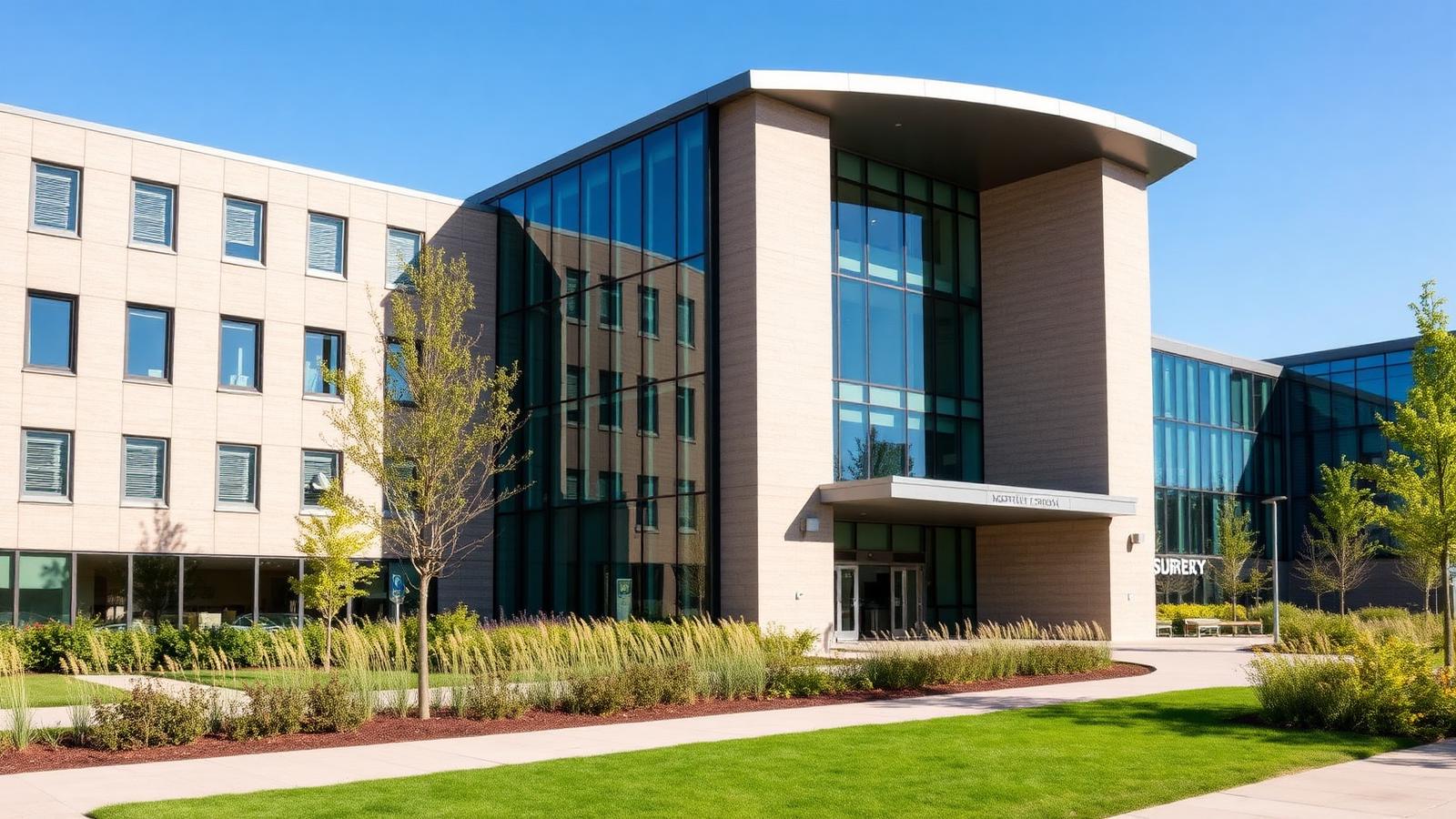

University of Surrey - School of Hospitality & Tourism
Shaping the future of hospitality and tourism through education and research.

Oxford Brookes - Hospitality & Tourism
Oxford Brookes: Where global hospitality leaders find their belonging.

Edinburgh Napier - Tourism & Hospitality
The #1 modern university in Scotland, shaping future difference-makers in hospitality and tourism.

Glion London
Swiss hospitality, London edge

Bournemouth University - International Hospitality
Inspiring learning, advancing knowledge, enriching society in South West's best university.
Country intelligence
Studying hospitality management in United Kingdom 🇬🇧
United Kingdom hosts 20 hospitality-focused institutions across 4 cities, with 5 of them running a hospitality mba in hospitality management. Full-programme tuition typically lands between $5k and $55k, depending on campus, internship structure and length of stay.
Graduates enter a market where United Kingdom's hospitality sector is being reshaped by rising demand for experiential luxury, a return of long-haul travel, and the fast professionalisation of wellness, F&B and branded residences. Recruiters here weight paid internships, second-language ability and international placements as heavily as academic transcripts — which is why the hospitality mba programmes listed below all embed at least one operational rotation.
Hospitality MBA programmes in Hospitality Management
MBA in Hospitality & Tourism
Bournemouth University - International Hospitality — Bournemouth
Duration
12 months
Tuition
$26,000
Language
—
Level
MBA
MBA in Hospitality & Tourism
Edinburgh Napier - Tourism & Hospitality — Edinburgh
Duration
12 months
Tuition
$27,000
Language
—
Level
MBA
MBA in Hospitality & Tourism
Oxford Brookes - Hospitality & Tourism — Oxford
Duration
12 months
Tuition
$31,000
Language
—
Level
MBA
MBA in Hospitality & Tourism
University of Surrey - School of Hospitality & Tourism — Guildford
Duration
12 months
Tuition
$37,000
Language
—
Level
MBA
MBA in Hospitality & Tourism
Glion London — London
Duration
12 months
Tuition
$47,000
Language
—
Level
MBA
Total annual cost · United Kingdom
Tuition is only part of the bill. Below is the realistic year-one budget for a hospitality mba student in United Kingdom, including housing, food, transport, insurance and visa fees.
Tuition and Living Costs in the UK (2025/26)
Investing in a Hospitality MBA in the UK requires significant financial planning. Costs are split between tuition fees—which vary based on the institution's prestige—and the cost of living, which is heavily influenced by geography.
Tuition Fees
For the 2025–2026 academic year, international students can expect to pay between £22,000 and £45,000 for a full-time MBA. State-funded or regional universities often sit at the lower end of this scale, while specialized schools and high-ranking business schools in London or the "Golden Triangle" (London, Oxford, Cambridge) command higher fees. Domestic (UK) students usually pay a slightly lower rate, typically ranging from £15,000 to £28,000.
Living Expenses
The UK Home Office suggests that for visa purposes, students should have at least £1,334 per month for living costs in London and £1,023 per month for costs outside of London. However, realistic budgeting for an MBA student—who will need to engage in networking and professional events—is often higher.
- Accommodation: Rent in London for a studio or shared professional flat ranges from £900 to £1,500 per month. In cities like Sheffield or Manchester, this drops to £600–£900.
- Daily Expenses: Expect to spend £400–£600 per month on groceries, utilities, and local transport (using an Oyster card or contactless).
- The "Hidden" Costs: MBA students should budget an additional £2,000 per year for international study trips, evening networking mixers, and corporate site visits, which are core parts of the UK MBA experience.
Scholarships and Funding
Many UK universities offer "Dean's Excellence" scholarships or "Women in Leadership" grants that can cover 10% to 50% of tuition. External bodies like Chevening (for international students) or the hospitality-specific Savoy Educational Trust provide competitive funding opportunities.
| Item | Amount / year | Note |
|---|---|---|
| Tuition Fees (Annual) | £22,000 – £45,000 | Varies by university ranking and prestige. |
| Monthly Living Costs (London) | £1,300 – £1,800 | Includes Rent, Food, and Travel. |
| Monthly Living Costs (Regional) | £900 – £1,200 | Cities like Manchester, Cardiff, or Glasgow. |
| Student Visa Fee | £490 | Standard one-off application fee. |
| Immigration Health Surcharge (IHS) | £776 | Annual fee for access to the NHS. |
| Books & Professional Memberships | £1,500 | Standard academic and networking costs. |
Admission reality
What the mba's programmes listed above look for on average. Individual schools vary — always check the school page for the exact bar.
Admissions Requirements for a Hospitality MBA in the UK
Gaining entry into a top-tier MBA in Hospitality Management in the United Kingdom requires a combination of academic excellence and professional maturity. Unlike a standard MSc, the MBA is a practitioner’s degree, and admissions committees prioritize your "return on experience."
Academic Prerequisites
Applicants typically need an upper second-class honors degree (2:1) or its international equivalent. While your undergraduate degree does not necessarily need to be in hospitality or business, a background in a quantitative or social science field is often viewed favorably. For those with significant professional achievements but lower grades, some UK universities offer a "flexible entry" route based on a portfolio of work.
Professional Experience
This is the most critical component. Most UK institutions require a minimum of three years of post-graduation professional experience. For hospitality-specific MBAs, admissions tutors look for evidence of leadership, such as managing teams in a hotel environment, overseeing budgets in a restaurant group, or project management in tourism consultancy. "Shadowing" or internships usually do not count toward this total.
Standardized Testing
While many UK business schools are moving away from mandatory GMAT/GRE scores, high-ranking institutions may still require them (typically a GMAT score of 600+). However, most hospitality-focused programs prefer their own internal assessment or an interview that drills down into your strategic thinking.
English Language Proficiency
For international students, a high level of English is mandatory to navigate the case-study-heavy curriculum:
- IELTS: Overall 6.5 or 7.0 (with no component below 6.0).
- TOEFL iBT: 90–100.
- Pearson (PTE): 62 or higher.
Supporting Documents
You will be required to submit a Personal Statement (500–1,000 words) detailing why you have chosen the UK market and how an MBA will bridge the gap between your current role and your career goals. Two professional references and a detailed CV are also standard requirements.
Where in the world is Hospitality Management strongest?
Strongest region: Switzerland & Europe.
Home of the modern hotel school — EHL, Les Roches, Glion, Vatel — with the deepest luxury-brand recruiting network.
Note: United Kingdom is not on the top-region list for hospitality management. It can still be a good fit for specific reasons (language, family, target employer, cost), but for maximum brand access consider one of the primary regions above.
Application timeline · September intake
Most United Kingdom programmes run rolling admissions with two peak intakes. Work backwards from your target start date.
- 118 months beforeResearch & shortlist
Narrow to 4–6 hospitality management schools in United Kingdom. Attend virtual open days.
- 212 months beforeLanguage & aptitude tests
Book IELTS / TOEFL (aim 6.5+ / 90+). Culinary tracks: prep portfolio photos of your dishes.
- 39 months beforeDraft application
Motivation letter, CV, 2 recommendation letters. Request transcripts from your school.
- 46 months beforeSubmit + interview
Most schools interview on video. Some (EHL, Les Roches) require an on-site or timed assessment.
- 54 months beforeOffer, deposit, visa
Pay tuition deposit (usually 10–20%), then start the student visa file for United Kingdom.
- 61–2 months beforeHousing & arrival
Book residence hall or shared flat, health insurance, and the flight. Arrive ~2 weeks early for orientation.
Visa & work rights in United Kingdom
Rules refreshed for the 2025–26 intake. Confirm current requirements with the nearest embassy before booking travel.
Visa Pathway for International Students
The UK offers one of the most straightforward post-study pathways for MBA graduates via the Student Visa and the subsequent Graduate Route.
During Your Studies: The Student Visa
To study your MBA, you will need a Student Visa (formerly Tier 4).
- Work Rights: You are permitted to work up to 20 hours per week during term time and full-time during vacations. However, given the intensity of a 12-month MBA, most schools advise against working more than 10 hours.
- Cost: The application fee is £490, plus the Immigration Health Surcharge (£776 per year), which grants you full access to the National Health Service (NHS).
After Graduation: The Graduate Route (PSW)
Introduced to keep the UK competitive, the Graduate Route is a massive draw for MBA students.
- Duration: You can stay and work (or look for work) in the UK for two years after completing your MBA.
- No Sponsorship Required: Unlike the Skilled Worker Visa, you do not need a job offer or a sponsor to apply for the Graduate Route. You can work in any role, at any salary level.
- Flexibility: This two-year window allows MBA graduates to "prove their worth" to top-tier employers like IHG or Deloitte, who can then transition the employee to a long-term Skilled Worker Visa later.
Skilled Worker Visa
For those who secure a high-level management role early, the Skilled Worker Visa is the long-term goal. As of 2025, the job must meet a minimum salary threshold (typically £38,700 for most roles, though some "new entrant" discounts apply for recent graduates). Hospitality Management roles are well-represented on the list of eligible occupations.
Scholarships & funding
| Award type | Typical value | How to qualify |
|---|---|---|
| School-specific merit awards | 10–40% off tuition | Awarded on GPA + motivation letter · every major hospitality management school in United Kingdom runs one. |
| Government / bilateral grants | Full or partial | Check your home-country ministry of education for United Kingdom bilateral scholarships. |
| Industry-sponsored bursaries | $3k–$15k / year | Marriott, Accor, Four Seasons, IHG and Michelin-star groups fund named awards tied to post-graduation internships. |
| Need-based aid | Sliding-scale tuition | Available at most private schools once you hold an offer. Apply within 30 days of acceptance. |
Careers & salaries
Career Outcomes and Salary Prospects
A Hospitality MBA in the UK transforms you from a departmental manager into a strategic business leader. The UK’s status as a global financial and tourism hub means that graduates are not limited to traditional hotel roles; they are highly sought after in real estate, asset management, and luxury brand strategy.
Strategic Roles and Career Paths
- Asset Management & Development: Working for firms like CBRE or JLL, managing portfolios of hotel properties as financial assets.
- Revenue Management: Optimizing pricing and supply for major international chains or airline groups.
- Luxury Brand Management: Transitioning into the high-end retail or "lifestyle" sectors (e.g., LVMH, Richemont) where the "guest experience" is the core product.
- Consultancy: Joining firms like Deloitte or PwC within their travel, hospitality, and leisure (THL) practices.
Salary Bands in the UK (2025–2026 Estimates)
Salaries in the UK hospitality sector vary significantly between London and the regional hubs (Manchester, Edinburgh, Birmingham). The following figures represent expected base salaries in GBP (£).
| Role | Entry-Level (Post-MBA) | Mid-Career | Senior/Director | | :--- | :--- | :--- | :--- | | Hotel General Manager | £55,000 – £70,000 | £75,000 – £110,000 | £130,000+ | | Revenue Manager | £45,000 – £55,000 | £60,000 – £85,000 | £100,000+ | | Hospitality Consultant | £50,000 – £65,000 | £70,000 – £95,000 | £120,000+ | | Director of Ops (Group) | £65,000 – £80,000 | £90,000 – £130,000 | £150,000+ | | Asset Manager | £60,000 – £75,000 | £85,000 – £120,000 | £160,000+ |
The "London Premium"
Graduates working in London can expect a 15–25% salary premium compared to those in the North of England or Scotland, though this is often offset by the significantly higher cost of living in the capital. Data from the Office for National Statistics (ONS) suggests that management-level roles in the hospitality sector remain resilient despite inflationary pressures, with bonuses often ranging from 10% to 30% of base pay.
| Role | Entry | Mid | Senior |
|---|---|---|---|
| Revenue Manager | £45,000+ | £65,000+ | £100,000+ |
| Hotel General Manager | £55,000+ | £85,000+ | £130,000+ |
| Asset Manager | £60,000+ | £90,000+ | £150,000+ |
| Hospitality Consultant | £50,000+ | £75,000+ | £125,000+ |
Top employers hiring graduates
United Kingdom vs peers for hospitality management
Quick side-by-side of where else this mba is taught at scale. Tap through for the full breakdown.
Strengths
- World-class networking with global HQs (IHG, Whitbread, Hilton) based in the UK.
- One-year intensive format saves on living costs compared to 2-year US programs.
- Focus on high-finance and asset management prepares you for C-suite roles.
- Diverse, international cohorts provide a global professional network.
Trade-offs
- High tuition fees and living costs, especially in London or Oxford.
- Intense academic schedule (1-year format) leaves little time for part-time work.
- Post-Brexit visa complexities can still be a hurdle for some smaller employers.
Editor's verdict
Our verdict
The Verdict: Is a UK Hospitality MBA Worth It?
The UK Hospitality MBA is an "investment in transition." If your goal is to master the technical operational aspects of a hotel, a Swiss diploma or a specialized MSc may suffice. However, if you aim to command the strategic and financial levers of the industry, the UK is arguably the best place in the world to be in 2026.
The combination of a one-year intensive format, a two-year post-study work visa, and proximity to global corporate headquarters creates a high ROI (Return on Investment). While the costs are high—particularly in London—the "MBA bounce" in salary and the move into asset management or consultancy roles often allows graduates to recoup their investment within 3 to 5 years.
- Choose the UK if
- You are a mid-career professional aiming for the C-Suite, you want to pivot into hospitality finance/real estate, or you wish to work for a global brand’s corporate office.
- Avoid if
- You have no prior management experience (look for an MSc instead) or if you are looking for a slow-paced, purely academic environment. The UK MBA is a high-octane professional sprint.
Frequently asked questions
›Can I apply for an MBA without work experience?
Most top-tier UK MBAs require 3 years of professional experience. If you have less, an MSc in International Hospitality Management might be more suitable.
›What is the average salary after a Hospitality MBA in the UK?
Average starting salaries for MBA graduates in UK hospitality range from £50,000 to £70,000, significantly higher than the £30,000 average for MSc graduates.
›Can international students work in the UK after the degree?
Yes, the Graduate Route visa allows you to stay and work at any skill level for two years after completing your MBA.
›How long does the degree take?
Standard MBAs are 12 months (full-time). Some schools offer a 24-month part-time or executive version for those working locally.
›Is it better to study in London or a regional city?
London is the hub for luxury and corporate HQ, but cities like Edinburgh, Manchester, and Birmingham offer growing markets with much lower living costs.
References & sources
All figures on this page can be traced to the following primary sources.
Other hospitality management programmes by country
Other degrees in United Kingdom
Get matched
Hospitality MBA in Hospitality Management, United Kingdom
Tell us your background and we'll shortlist the strongest programmes for your profile.