
Hospitality MBA · 🇺🇸 United States
Hospitality MBA in Revenue Management in United States
Compare 7 hospitality mba programmes in revenue management across United States. Tuition, duration and rankings, side by side.
- Tourism Contribution to GDP
- >$2.5 Trillion USD
- Number of Hotel Rooms
- ~5.5 Million
- Average Graduate Starting Salary
- $65,000 - $75,000 USD
- Key Hospitality Hubs
- Las Vegas, Orlando, NYC
Key takeaways
- The US is the headquarters for the world's largest hotel corporations like Marriott and Hilton, offering unmatched access to corporate careers.
- Tuition and living costs are extremely high, with top private universities like Cornell exceeding $90,000+ USD per year.
- Graduates from top programs can expect starting salaries of $65,000 - $75,000 in management training programs.
- Post-study work is limited to 12 months of Optional Practical Training (OPT), with no clear path to long-term residency.
- Specialized education is available in unique fields like casino management (UNLV) and hospitality real estate (Cornell).
- The curriculum is heavily focused on business analytics, finance, and revenue management, preparing students for data-driven corporate roles.
Industry snapshot · United States
The US Hospitality Market: A Corporate Colossus
The United States boasts the largest and most developed hospitality and tourism industry in the world. According to the World Travel & Tourism Council (WTTC), the sector's contribution to the US GDP is projected to exceed $2.5 trillion in 2026, underscoring its immense economic significance. The market is characterized by its corporate structure, brand domination, and sophisticated operational strategies, making it a fertile ground for management professionals.
Dominated by Brands
Unlike many other markets, the US hotel landscape is dominated by major publicly-traded corporations. Companies headquartered in the US, such as Marriott International, Hilton Worldwide, and Hyatt Hotels Corporation, represent a significant portion of the global branded hotel supply. This brand-centric environment creates a clear and structured career path for graduates, who are often recruited into corporate management training programs that fast-track them into leadership roles. Data from STR, the leading hotel analytics firm, consistently shows that over 70% of US hotels are brand-affiliated.
Key Industry Hubs
While opportunities are nationwide, several cities serve as epicenters for specific industry segments:
- Las Vegas, Nevada: The undisputed global capital of integrated resorts and gaming. It's a living laboratory for large-scale hotel operations, world-class entertainment, and convention management. The Las Vegas Strip alone generates tens of billions in revenue annually.
- Orlando, Florida: The center of the universe for theme parks and family entertainment. The presence of Walt Disney World and Universal Studios creates a massive demand for rooms, food and beverage, and attraction management professionals.
- New York, New York: A hub for luxury hotels, high-end restaurants, and hospitality finance/real estate. The city has one of the highest Average Daily Rates (ADR) and Revenue Per Available Room (RevPAR) in the world.
Growth and Innovation
The US industry is a leader in innovation. Key growth sectors for 2026 include branded select-service and extended-stay hotels, which continue to expand rapidly in suburban and secondary markets. There is also significant investment flowing into hospitality technology (PropTech), focusing on areas like contactless guest services, revenue management software, and data analytics. This creates a demand for graduates who are not just skilled in traditional operations but are also technologically adept and analytically minded. The US Bureau of Labor Statistics projects steady growth in hospitality management occupations through 2026.
Schools offering Hospitality MBA in Revenue Management · United States
7 accredited institutions teach this pathway in United States. Ranked by hospitality reputation, with tuition, location and heritage side by side.

%20!important%3B%22%2F%3E%20%3Cpath%20d%3D%22M38.895%2025.317v-6.174l-9.126%2013.3c-.836%201.255-2.42%203.195-2.42%209.45v15.905l7.284-9.871c4.918-5.97%204.183-13.032%204.261-15.046v-3.617c5.397%203.984%208.897%2010.388%208.897%2017.61%200%2012.082-9.794%2021.877-21.875%2021.877-12.082%200-21.877-9.795-21.877-21.876%200-7.223%203.5-13.627%208.896-17.611l.002%203.617c.075%202.014-.659%209.076%204.26%2015.046l7.284%209.87V41.895c0-6.256-1.584-8.196-2.42-9.45l-9.126-13.301v6.174C5.636%2029.72.755%2037.727.755%2046.875c0%2013.896%2011.264%2025.16%2025.16%2025.16%2013.895%200%2025.16-11.264%2025.16-25.16%200-9.147-4.882-17.154-12.18-21.558%22%20fill%3D%22%23FF8A04%22%20style%3D%22fill%3A%20rgb(255%2C%20138%2C%204)%20!important%3B%22%2F%3E%20%3Cpath%20d%3D%22M72.524%2052.95c-3.631%200-6.305%202.699-6.305%206.55v.197c0%203.753%202.625%206.526%206.28%206.526%203.63%200%206.33-2.674%206.33-6.55v-.197c0-3.852-2.674-6.526-6.305-6.526Zm4.195%206.747c0%202.895-1.62%204.833-4.195%204.833-2.625%200-4.195-1.89-4.195-4.833V59.5c0-2.944%201.619-4.857%204.195-4.857%202.552%200%204.195%201.913%204.195%204.882v.172ZM85.815%2048.657c.564%200%201.08.098%201.448.27v-1.718c-.516-.172-.859-.245-1.522-.245-2.55%200-3.827%201.496-3.827%204.122v2.156h-1.84v1.594h1.84v9.57h-1.79v1.596h6.132v-1.595H83.95v-9.571h3.14v-1.594h-3.14v-2.353c0-1.35.515-2.232%201.865-2.232M133.234%2064.407v-6.355c0-3.728-1.963-5.103-4.245-5.103-1.594%200-3.385.835-4.244%202.602-.662-1.89-2.11-2.602-3.753-2.602-1.865%200-3.24%201.08-3.754%202.331v-2.039h-3.877v1.595h1.84v9.571h-1.791v1.594h5.668v-1.594h-1.84V58.15c0-2.306%201.643-3.434%203.312-3.434%201.767%200%202.649.932%202.649%203.19v6.501h-1.84v1.594h5.717v-1.594h-1.841V58.15c0-2.306%201.645-3.434%203.312-3.434%201.768%200%202.65.932%202.65%203.19v6.501h-1.84v1.594h5.668v-1.594h-1.791ZM110.054%2064.407l-6.083-15.947h-2.846l-6.18%2015.947H93.25v1.594h5.642v-1.594h-1.938l1.677-4.417h7.635l1.677%204.417h-1.913v1.594h5.74v-1.594h-1.717Zm-10.788-6.06%203.135-8.12h.098l3.134%208.12h-6.367ZM79.198%2035.654c-.466%202.871-2.43%204.293-5.3%204.293-3.778%200-6.035-2.699-6.035-7.163v-.196c0-4.417%202.43-7.238%206.06-7.238%202.674%200%204.49%201.13%205.201%204.048h1.791v-5.397h-1.913v2.011c-.908-1.644-2.798-2.355-5.03-2.355-4.809%200-8.317%203.754-8.317%208.955v.196c0%205.398%203.116%208.881%208.194%208.881%203.925%200%206.723-1.987%207.336-6.035h-1.987ZM95.043%2039.874V28.709h-3.827v1.594h1.79v6.088c0%202.355-1.692%203.532-3.435%203.532-1.962%200-2.919-.981-2.919-3.254v-7.96h-3.827v1.594h1.791v6.308c0%203.705%201.864%205.078%204.416%205.078%201.987%200%203.386-1.201%203.974-2.379v2.159h3.828v-1.595h-1.79ZM242.255%2039.874V28.709h-3.828v1.594h1.792v6.088c0%202.355-1.693%203.532-3.435%203.532-1.963%200-2.92-.981-2.92-3.254v-7.96h-3.827v1.594h1.791v6.308c0%203.705%201.864%205.078%204.416%205.078%201.987%200%203.386-1.201%203.975-2.379v2.159h3.827v-1.595h-1.79ZM102.295%2039.874V22.406h-3.901v1.595h1.84v15.873h-1.791v1.595h5.643v-1.595zM109.757%2039.874V28.709h-3.876v1.594h1.84v9.571h-1.79v1.595h5.666v-1.595zM108.629%2023.216c-.76%200-1.398.589-1.398%201.374a1.398%201.398%200%201%200%202.797%200c0-.785-.638-1.374-1.4-1.374M125.483%2039.874v-6.378c0-3.705-1.889-5.079-4.465-5.079-2.036%200-3.435%201.202-4.023%202.38v-2.088h-3.877v1.594h1.84v9.571h-1.79v1.595h5.667v-1.595h-1.84v-6.231c0-2.258%201.668-3.459%203.483-3.459%201.987%200%202.97%201.005%202.97%203.164v6.526h-1.84v1.595h5.666v-1.595h-1.79ZM138.576%2039.874v-6.869c0-3.705-2.233-4.588-4.637-4.588-2.453%200-4.711.957-4.98%203.999h2.036c.196-1.668%201.104-2.307%202.846-2.307%201.864%200%202.698.737%202.698%202.896v.932h-1.79c-3.263%200-6.33.957-6.33%203.975%200%202.625%201.815%203.557%204.17%203.557%201.865%200%203.092-.417%203.95-1.766v1.766h3.754v-1.595h-1.717Zm-2.037-2.895c0%201.963-1.668%203.091-3.753%203.091-1.742%200-2.331-.981-2.331-2.158%200-1.865%201.84-2.527%204.367-2.527h1.717v1.594ZM150.33%2030.429v-2.012c-2.65%200-4.024%201.325-4.613%202.674v-2.382h-3.877v1.595h1.84v9.57h-1.79v1.596h5.79v-1.596h-1.963v-5.446c0-3.165%201.815-4%204.612-4M177.259%2025.595v-1.594h-6.55v1.594h2.208v14.28h-2.208v1.594h6.55v-1.595h-2.208V25.595zM159.884%2028.709v1.594h1.937l-2.918%207.535-3.214-7.535h1.864v-1.594h-5.642v1.594h1.62l4.292%209.841-.63%201.497c-.687%201.324-.77%202.723-2.463%202.723-.417%200-1.08-.103-1.449-.128v1.524c.515.074%201.302.174%201.817.174%202.282%200%202.786-1.325%203.596-3.238l5.115-12.393h1.571v-1.594h-5.496ZM191.42%2039.874v-6.378c0-3.705-1.89-5.079-4.466-5.079-2.036%200-3.434%201.202-4.024%202.38v-2.088h-3.876v1.594h1.84v9.571h-1.79v1.595h5.667v-1.595h-1.84v-6.231c0-2.258%201.668-3.459%203.484-3.459%201.986%200%202.968%201.005%202.968%203.164v6.526h-1.84v1.595h5.667v-1.595h-1.79ZM199.69%2033.962c-2.355-.466-2.993-1.031-2.993-2.16%200-1.201.882-1.766%202.355-1.766%201.669%200%202.772.859%203.067%202.306h1.668v-3.633h-1.718v1.278c-.465-.907-1.348-1.57-3.213-1.57-2.233%200-4.048%201.276-4.048%203.435%200%202.134%201.129%203.337%204.465%203.925%201.987.368%203.018.834%203.018%202.184%200%201.398-.885%202.109-2.626%202.109-1.938%200-3.164-1.374-3.434-2.87h-1.668v4.269h1.717v-1.57c.319.785%201.349%201.79%203.335%201.79%203.067%200%204.613-1.57%204.613-3.851%200-2.7-1.913-3.361-4.538-3.876M211.467%2039.923c-1.276%200-1.84-.613-1.84-1.865v-7.755h3.312V28.71h-3.312v-3.114h-2.036v3.114h-1.84v1.594h1.84v7.952c0%202.036%201.128%203.385%203.704%203.385.761%200%201.276-.122%201.84-.295V39.63a5.324%205.324%200%200%201-1.668.294M227.206%2039.923c-1.276%200-1.84-.613-1.84-1.865v-7.755h3.312V28.71h-3.312v-3.114h-2.036v3.114h-1.84v1.594h1.84v7.952c0%202.036%201.128%203.385%203.705%203.385.76%200%201.275-.122%201.84-.295V39.63a5.324%205.324%200%200%201-1.669.294M250.411%2039.923c-1.275%200-1.84-.613-1.84-1.865v-7.755h3.312V28.71h-3.312v-3.114h-2.036v3.114h-1.84v1.594h1.84v7.952c0%202.036%201.128%203.385%203.705%203.385.76%200%201.275-.122%201.84-.295V39.63a5.32%205.32%200%200%201-1.669.294M147.888%2059.328c0-4.587-2.796-6.378-5.765-6.378-3.533%200-6.011%202.698-6.011%206.574v.197c0%203.925%202.576%206.502%206.207%206.502%202.92%200%205.005-1.35%205.47-3.926h-2.035c-.27%201.496-1.4%202.232-3.411%202.232-2.65%200-4.023-1.594-4.121-4.538h9.666v-.663Zm-9.592-.98c.367-2.283%201.74-3.706%203.827-3.706%202.134%200%203.484%201.055%203.68%203.705h-7.507ZM217.431%2025.988c.761%200%201.4-.613%201.4-1.399%200-.785-.639-1.373-1.4-1.373-.76%200-1.398.588-1.398%201.373%200%20.786.638%201.4%201.398%201.4M218.56%2039.874V28.709h-3.876v1.594h1.84v9.571h-1.79v1.595h5.666v-1.595zM176.644%2061.39c-.196%202.084-1.863%203.14-3.68%203.14-2.477%200-4.195-1.644-4.195-4.809v-.196c0-3.018%201.792-4.883%204.123-4.883%202.183%200%203.336%201.13%203.802%202.871h1.742v-4.27h-1.792v1.596c-.514-1.055-1.595-1.889-3.752-1.889-3.435%200-6.232%202.65-6.232%206.575v.196c0%204%202.698%206.501%206.28%206.501%203.067%200%205.323-2.06%205.594-4.833h-1.89ZM163.762%2064.407V53.241h-3.876v1.595h1.84v9.571h-1.79v1.594h5.666v-1.594zM162.634%2047.748c-.761%200-1.398.59-1.398%201.375s.637%201.398%201.398%201.398c.76%200%201.398-.614%201.398-1.398%200-.785-.638-1.374-1.398-1.374M190.655%2064.407v-6.87c0-3.705-2.233-4.588-4.637-4.588-2.453%200-4.71.957-4.98%204h2.036c.196-1.669%201.104-2.307%202.846-2.307%201.864%200%202.698.737%202.698%202.895v.933h-1.79c-3.263%200-6.33.957-6.33%203.974%200%202.625%201.815%203.557%204.171%203.557%201.864%200%203.09-.417%203.95-1.766v1.766h3.753v-1.594h-1.717Zm-2.037-2.896c0%201.963-1.668%203.092-3.754%203.092-1.74%200-2.33-.98-2.33-2.159%200-1.865%201.84-2.527%204.367-2.527h1.717v1.594ZM158.218%2054.961V52.95c-2.65%200-4.024%201.325-4.612%202.675v-2.383h-3.877v1.595h1.841v9.571h-1.792v1.594h5.79v-1.594h-1.962V58.96c0-3.165%201.816-3.999%204.612-3.999M265.006%2034.795c0-4.587-2.796-6.378-5.765-6.378-3.533%200-6.011%202.698-6.011%206.574v.197c0%203.925%202.576%206.501%206.207%206.501%202.92%200%205.005-1.349%205.47-3.925h-2.035c-.27%201.496-1.4%202.232-3.411%202.232-2.65%200-4.023-1.594-4.121-4.538h9.666v-.663Zm-9.592-.98c.367-2.283%201.74-3.706%203.827-3.706%202.134%200%203.484%201.056%203.68%203.705h-7.507Z%22%20fill%3D%22%23006748%22%20style%3D%22fill%3A%20rgb(0%2C%20103%2C%2072)%20!important%3B%22%2F%3E%20%3C%2Fg%3E%20%3C%2Fsvg%3E)
The Culinary Institute of America
Food is your Passion. Future. Life. The World’s Premier Culinary College where your journey in food begins.


Penn State School of Hospitality Management
Shaping the future of hospitality management since 1937 at University Park.
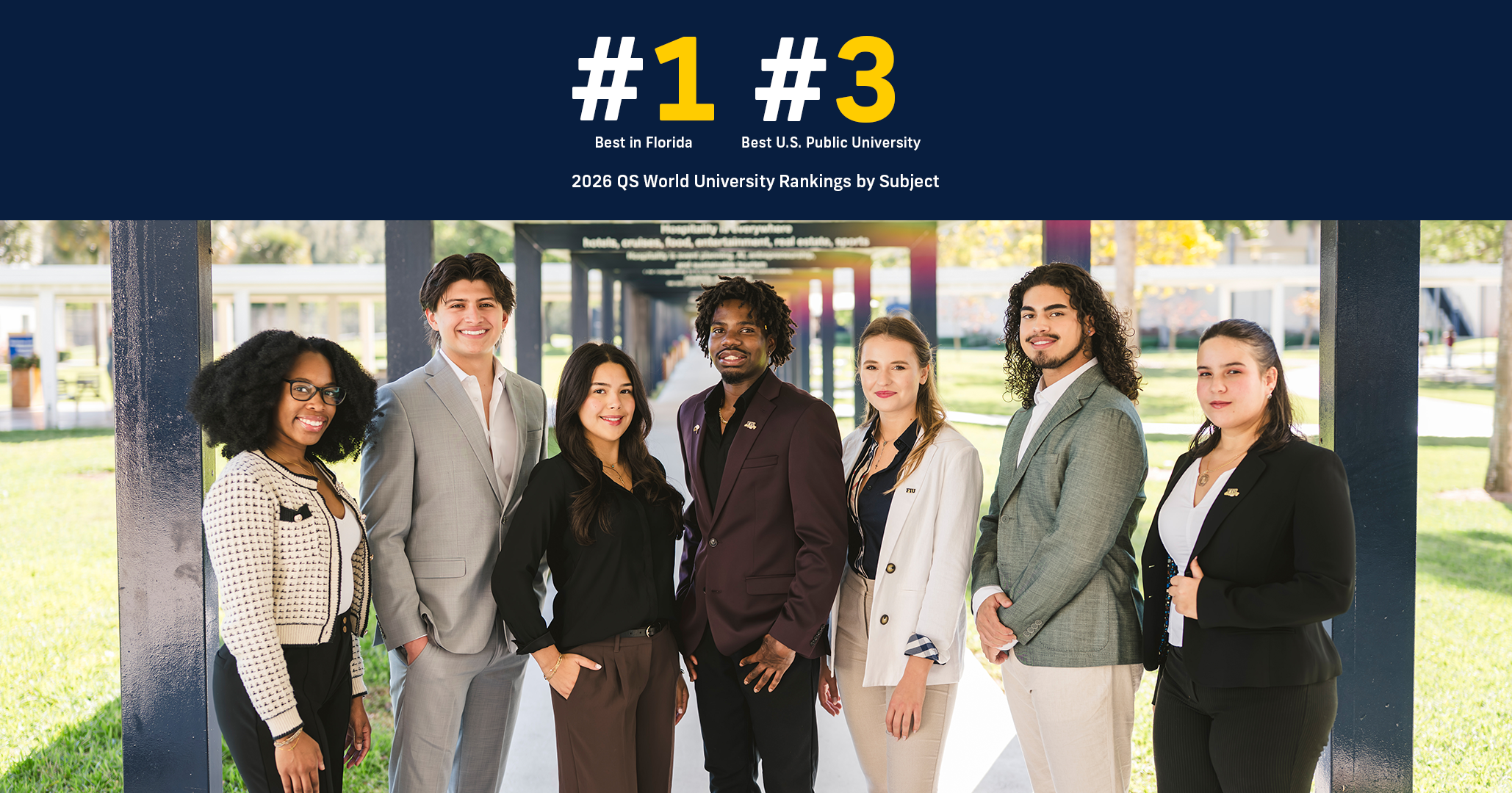
Florida International University - Chaplin School
Discover hospitality management at a top-ranked school in a global destination.


UNLV Harrah College of Hospitality
Creating the global standard in hospitality education from the heart of Las Vegas.


NYU Tisch Center of Hospitality
Educating the leaders of hospitality, travel, and tourism since 1995.
Boston University School of Hospitality
Changing the way the world looks at hospitality through Experience Innovation.

Johnson & Wales University
The culinary university
Country intelligence
Studying revenue management in United States 🇺🇸
United States hosts 39 hospitality-focused institutions across 6 cities, with 7 of them running a hospitality mba in revenue management. Full-programme tuition typically lands between $17k and $144k, depending on campus, internship structure and length of stay.
Graduates enter a market where United States's hospitality sector is being reshaped by rising demand for experiential luxury, a return of long-haul travel, and the fast professionalisation of wellness, F&B and branded residences. Recruiters here weight paid internships, second-language ability and international placements as heavily as academic transcripts — which is why the hospitality mba programmes listed below all embed at least one operational rotation.
Hospitality MBA programmes in Revenue Management
MBA in Hospitality & Tourism — Revenue Track
UNLV Harrah College of Hospitality — Las Vegas
Duration
12 months
Tuition
$43,000
Language
—
Level
MBA
MBA in Hospitality & Tourism — Revenue Track
Johnson & Wales University — Providence
Duration
12 months
Tuition
$43,000
Language
—
Level
MBA
MBA in Hospitality & Tourism — Revenue Track
The Culinary Institute of America — Hyde Park
Duration
12 months
Tuition
$47,000
Language
—
Level
MBA
MBA in Hospitality & Tourism — Revenue Track
Penn State School of Hospitality Management — University Park
Duration
12 months
Tuition
$50,000
Language
—
Level
MBA
MBA in Hospitality & Tourism — Revenue Track
Florida International University - Chaplin School — Miami
Duration
12 months
Tuition
$60,000
Language
—
Level
MBA
MBA in Hospitality & Tourism — Revenue Track
Boston University School of Hospitality — Boston
Duration
12 months
Tuition
$70,000
Language
—
Level
MBA
MBA in Hospitality & Tourism — Revenue Track
NYU Tisch Center of Hospitality — New York
Duration
12 months
Tuition
$77,000
Language
—
Level
MBA
Total annual cost · United States
Tuition is only part of the bill. Below is the realistic year-one budget for a hospitality mba student in United States, including housing, food, transport, insurance and visa fees.
Cost of Living: A Significant Investment
The United States is one of the most expensive countries for higher education, and hospitality management programs are no exception. International students should budget for significant tuition and living costs, which vary dramatically depending on the type of institution (public vs. private) and its location. All figures are in US Dollars (USD).
Tuition Fees (2025-2026 Estimates)
Tuition is the single largest expense. For international students, there's a substantial difference between public (state-funded) and private universities.
- Public Universities: Expect to pay out-of-state tuition fees ranging from $35,000 to $55,000 per academic year. Leading public hospitality programs like the University of Nevada, Las Vegas (UNLV) and the University of Houston's Conrad N. Hilton College fall into this category.
- Private Universities: These institutions command significantly higher fees. Elite programs like Cornell University's Nolan School of Hotel Administration charge tuition and fees upwards of $65,000 to $70,000 per year. Other private schools like Boston University also fall in this premium range.
Living Costs
Living expenses differ substantially by region. A major metropolitan area like New York or Boston is far more expensive than a smaller college town.
- Major Cities (New York, Boston, Los Angeles): Students should budget $2,000 - $3,000+ per month for accommodation, food, transportation, and personal expenses. Annual living costs can easily exceed $25,000.
- Other Cities (Las Vegas, Orlando, Houston): These hospitality hubs offer a more manageable cost of living. A monthly budget of $1,500 - $2,200 is more realistic, bringing annual costs to around $18,000 - $26,000.
Most universities require F-1 visa students to purchase a mandatory health insurance plan, which can cost between $2,000 and $3,500 per year.
As a result, the total estimated annual cost for an international student can range from $55,000 at a public university in a lower-cost city to over $95,000 at a private university in a major metropolitan area. Students are required to provide proof of sufficient funds to cover the first year of study to be issued the Form I-20 for their visa application.
| Item | Amount / year | Note |
|---|---|---|
| Average Public University Tuition & Fees | $45,000 | Out-of-state tuition; e.g., University of Houston, UNLV. |
| Average Private University Tuition & Fees | $68,000 | e.g., Cornell University, Boston University. |
| On-Campus Housing & Meal Plan | $18,500 | Average cost for a standard room and comprehensive meal plan. |
| Health Insurance (Mandatory) | $2,500 | University-sponsored plans are mandatory for F-1 students. |
| Books & Supplies | $1,200 | Includes textbooks, software, and other course materials. |
| Personal Expenses & Travel | $3,500 | Varies significantly by city and lifestyle. |
| ESTIMATED TOTAL (Public University) | $98,700 | Annual cost for an international student. |
| ESTIMATED TOTAL (Private University) | $123,700 | Annual cost for an international student. |
Admission reality
What the mba's programmes listed above look for on average. Individual schools vary — always check the school page for the exact bar.
Hospitality Admissions in the USA: A Competitive Landscape
Gaining admission to a top-tier US hospitality program requires a strategic and timely approach. Applications are highly competitive, particularly for flagship programs at universities like Cornell, UNLV, and the University of Houston.
Undergraduate Admissions (BS/BBA)
For Bachelor's degrees, the application window typically opens in August or September for admission the following fall (August). Early Decision/Action deadlines are often in November, with Regular Decision deadlines falling between January and March.
A complete application generally includes:
- High School Transcript: Equivalent of a US high school diploma with a strong GPA (often 3.0 or higher on a 4.0 scale). Coursework in business, mathematics, and economics is viewed favorably.
- Standardized Tests: While many universities have become "test-optional," submitting strong SAT or ACT scores can still enhance an application, especially for top programs. Competitive scores are generally above 1300 for the SAT or 28 for the ACT.
- English Proficiency: International applicants must demonstrate English proficiency. A TOEFL iBT score of 90+ or an IELTS score of 7.0+ is standard for leading universities. DuoLingo English Test scores are also increasingly accepted.
- Letters of Recommendation: Typically, two letters are required from teachers or counselors who can speak to your academic abilities and character.
- Personal Statement/Essay: This is a critical component where you articulate your passion for the hospitality industry and your reasons for choosing that specific program.
Graduate Admissions (MS/MBA)
For Master's programs, deadlines are often on a rolling basis or have specific rounds, usually starting in October and running through April.
Key requirements include:
- Bachelor's Degree: A four-year undergraduate degree from an accredited institution with a competitive GPA.
- Standardized Tests: The GMAT or GRE is often required, particularly for MBA programs with a hospitality concentration. Competitive GMAT scores for top programs often exceed 650.
- Work Experience: Most top Master's and MBA programs require at least 2-3 years of relevant work experience in the hospitality industry. This practical knowledge is highly valued.
- English Proficiency: Similar to undergraduate requirements, a TOEFL iBT of 100+ or IELTS of 7.5+ is often expected for graduate-level study.
- Statement of Purpose & Resume: A detailed resume showcasing your career progression and a compelling statement of purpose outlining your career goals are essential.
Where in the world is Revenue Management strongest?
Strongest region: US, UK & Singapore.
Revenue-science is data-heavy — strongest at Cornell, Surrey, ESSEC, and Singapore's SHATEC/NUS.
Application timeline · September intake
Most United States programmes run rolling admissions with two peak intakes. Work backwards from your target start date.
- 118 months beforeResearch & shortlist
Narrow to 4–6 revenue management schools in United States. Attend virtual open days.
- 212 months beforeLanguage & aptitude tests
Book IELTS / TOEFL (aim 6.5+ / 90+). Culinary tracks: prep portfolio photos of your dishes.
- 39 months beforeDraft application
Motivation letter, CV, 2 recommendation letters. Request transcripts from your school.
- 46 months beforeSubmit + interview
Most schools interview on video. Some (EHL, Les Roches) require an on-site or timed assessment.
- 54 months beforeOffer, deposit, visa
Pay tuition deposit (usually 10–20%), then start the student visa file for United States.
- 61–2 months beforeHousing & arrival
Book residence hall or shared flat, health insurance, and the flight. Arrive ~2 weeks early for orientation.
Visa & work rights in United States
Rules refreshed for the 2025–26 intake. Confirm current requirements with the nearest embassy before booking travel.
US Student Visa and Post-Study Work
Navigating the US immigration system is a critical step for all international students. The process is detailed, and adherence to regulations is mandatory.
The F-1 Student Visa
The primary visa for academic study in the United States is the F-1 Visa. Obtaining it involves several key steps:
- Acceptance and Form I-20: Once you are admitted to a SEVP-certified school (all major universities are), the university's Designated School Official (DSO) will issue a Form I-20, "Certificate of Eligibility for Nonimmigrant Student Status." This document is essential for the visa application. To issue it, the school must receive proof that you have sufficient funds to cover the first year of your studies.
- Pay the I-901 SEVIS Fee: Before you can apply for the visa, you must pay the Student and Exchange Visitor Information System (SEVIS) fee, which is currently $350. This fee maintains the system that tracks international students in the US.
- Complete the DS-160 Form: This is the online nonimmigrant visa application. It requires you to upload a photo and submit detailed personal, academic, and travel history information.
- Schedule and Attend a Visa Interview: You must schedule an interview at the nearest US embassy or consulate. During the interview, a consular officer will assess your application. You must demonstrate "nonimmigrant intent," meaning you intend to return to your home country after completing your studies. You will need to bring your passport, I-20, SEVIS fee receipt, DS-160 confirmation, and financial documents.
Post-Study Work Rights: Optional Practical Training (OPT)
After graduation, F-1 students are eligible to apply for Optional Practical Training (OPT). This program allows you to work in the US for a temporary period to gain practical experience directly related to your major field of study.
- Duration: For hospitality management and other business-related degrees, the an OPT period is for a maximum of 12 months.
- STEM Extension: It is critical to note that hospitality is not considered a STEM (Science, Technology, Engineering, and Mathematics) field. Therefore, students are not eligible for the 24-month STEM OPT extension.
- Post-OPT: After your 12-month OPT period ends, you must either depart the US, enroll in another degree program, or have an employer sponsor you for a different work visa, such as the H-1B. The H-1B visa is highly competitive, subject to an annual lottery, and securing sponsorship can be challenging. Therefore, students should not consider the F-1 visa a direct pathway to long-term residency.
Scholarships & funding
| Award type | Typical value | How to qualify |
|---|---|---|
| School-specific merit awards | 10–40% off tuition | Awarded on GPA + motivation letter · every major revenue management school in United States runs one. |
| Government / bilateral grants | Full or partial | Check your home-country ministry of education for United States bilateral scholarships. |
| Industry-sponsored bursaries | $3k–$15k / year | Marriott, Accor, Four Seasons, IHG and Michelin-star groups fund named awards tied to post-graduation internships. |
| Need-based aid | Sliding-scale tuition | Available at most private schools once you hold an offer. Apply within 30 days of acceptance. |
Careers & salaries
US Hospitality Careers: High Ceilings and Diverse Pathways
A US hospitality degree is a gateway to a dynamic and multifaceted career landscape, both within the United States and globally. The country is home to the world's largest hotel and food service corporations, offering graduates unparalleled opportunities for rapid career advancement, particularly within structured corporate management training programs.
Typical Career Trajectory
Many graduates begin their careers in highly sought-after Management Development Programs (MDPs) or Leader-in-Training (LIT) programs at major chains like Marriott, Hilton, Hyatt, and Four Seasons. These are typically 12-24 month rotational programs that expose trainees to various departments, including Rooms Division, Food and Beverage, Sales and Marketing, and Finance.
Initial roles often include titles like Assistant Front Office Manager, Guest Services Manager, or Restaurant Supervisor. Within 3-5 years, successful managers can advance to Department Head roles such as Director of Front Office, Director of Housekeeping, or F&B Manager, with salaries moving into the $75,000 - $95,000 range.
The ultimate goal for many is a General Manager (GM) position, which can be achieved within 10-15 years. GMs of large, full-service, or luxury properties in major markets like New York or Las Vegas can command salaries well into six figures, complemented by significant performance-based bonuses.
Beyond the Hotel Floor
The career paths extend far beyond traditional hotel operations. A significant number of graduates leverage their analytical and service-oriented skills in corporate roles:
- Revenue Management & Analytics: Based at corporate headquarters, these roles involve optimizing pricing and inventory across a portfolio of hotels. It's a highly analytical and lucrative career path.
- Real Estate Development & Feasibility: Specialists in this area work for hotel brands, ownership groups, or consulting firms like HVS or CBRE, analyzing markets and underwriting new hotel projects.
- Asset Management: Working on behalf of hotel owners, asset managers oversee the hotel operator (the brand) to ensure financial performance and maximize the value of the property.
- Consulting: Major consulting firms like Deloitte and PwC have dedicated hospitality practices, advising clients on strategy, operations, and M&A.
Alumni from top programs like Cornell's School of Hotel Administration are famously well-represented in leadership positions across the industry. Examples include numerous CEOs and senior executives at companies like Marriott International, Hilton Worldwide, and Loews Hotels. The powerful alumni networks fostered by these schools are a significant career asset, providing invaluable connections for internships and full-time roles. The large-scale casino resorts in Las Vegas also represent a major employment sector, with highly specialized career tracks in gaming operations, entertainment management, and large-scale convention services.
| Role | Entry | Mid | Senior |
|---|---|---|---|
| Hotel General Manager (Select-Service) | $60,000 - $75,000 | $85,000 - $110,000 | $120,000 - $160,000+ |
| Hotel General Manager (Full-Service) | $70,000 - $85,000 | $110,000 - $150,000 | $180,000 - $250,000+ |
| Food & Beverage Manager | $55,000 - $68,000 | $75,000 - $95,000 | $100,000 - $130,000+ |
| Revenue Manager | $65,000 - $80,000 | $90,000 - $120,000 | $130,000 - $170,000+ |
| Sales & Marketing Manager | $60,000 - $75,000 | $80,000 - $110,000 | $120,000 - $150,000+ |
| Events / Catering Manager | $50,000 - $65,000 | $70,000 - $90,000 | $95,000 - $125,000+ |
Top employers hiring graduates
United States vs peers for revenue management
Quick side-by-side of where else this mba is taught at scale. Tap through for the full breakdown.
Strengths
- Home to global HQs of Marriott, Hilton, Hyatt, offering direct access to corporate careers.
- World-renowned specialty programs like UNLV for casino management and Cornell for hospitality real estate.
- High graduate starting salaries, with top programs reporting averages of $65,00-75,000 USD.
- Curriculum heavily focused on finance, analytics, and business strategy, preparing graduates for modern industry demands.
- Strong campus recruitment culture with multiple career fairs attracting top global brands for internships and jobs.
- Graduates gain a competitive edge from being educated in the world's largest and most innovative tourism market.
Trade-offs
- Extremely high tuition and living costs compared to other countries.
- Complex and often stressful F-1 student visa application process.
- Post-study work authorization (OPT) is limited to 12 months for hospitality degrees.
- Highly competitive job market, especially for top management trainee programs.
- Geographic mobility is often required for career advancement within large hotel chains.
Frequently asked questions
›Which is the best US hospitality school: Cornell, UNLV, or Houston?
The "best" school depends on your career goals. Cornell University is world-renowned for its Ivy League prestige, rigorous business curriculum, and powerful alumni network in finance and real estate. For casino and integrated resort management, the University of Nevada, Las Vegas (UNLV) is the undisputed global leader, located at the industry's epicenter. For a strong, well-rounded, and industry-connected education at a more accessible (public university) price point, the University of Houston's Conrad N. Hilton College is consistently ranked among the top programs in the country.
›Are scholarships available for international students?
Yes, but they are limited and highly competitive. Most financial aid from US universities is reserved for domestic students. International students may be eligible for specific merit-based scholarships offered by their chosen university, but these rarely cover the full cost. Organizations like the American Hotel & Lodging Association (AHLA) Foundation offer scholarships, but you must check eligibility requirements. Unlike in some countries, full-tuition scholarships for international hospitality students are extremely rare. Plan to self-fund the majority of your education.
›Are paid internships (co-op) part of the curriculum?
Internships are a core part of US hospitality education. The F-1 visa allows for Curricular Practical Training (CPT), which authorizes students to take paid internships that are an integral part of their curriculum. Most Bachelor's programs require at least one or two internships, often totaling 800+ hours, to graduate. Top schools have dedicated career centers that host multiple career fairs per year, attracting recruiters from major brands like Marriott, Hilton, Hyatt, and Four Seasons, who come specifically to hire students for these roles.
›How valuable is a US hospitality degree internationally?
A US hospitality degree, particularly from a top-ranked institution, is highly respected globally. The curriculum is known for its strong emphasis on business acumen, finance, real estate, and leadership, preparing graduates for corporate management roles. Major global hotel companies are headquartered in the US, and their management philosophies and systems are taught in US classrooms. This gives graduates a competitive advantage when applying for jobs with these multinational corporations anywhere in the world. Being educated in the world's largest and most competitive market is a significant asset.
›Can I stay and work in the US after graduation?
For most hospitality management degrees (BS, MS, MBA), standard Optional Practical Training (OPT) allows you to work for 12 months in the US after graduation in a job directly related to your field of study. Unlike STEM fields, hospitality does not qualify for the 24-month STEM extension. After the 12-month OPT period, you would need a company to sponsor you for a work visa, such as the H-1B, which is subject to a lottery system and is not guaranteed. Therefore, long-term work prospects can be challenging.
›Are SAT/ACT or GMAT/GRE scores required?
The SAT (Scholastic Assessment Test) and ACT (American College Test) are standardized tests traditionally used for undergraduate admissions in the US. However, a growing number of universities have become "test-optional," meaning you are not required to submit scores. For international students, a high score can still strengthen your application. For graduate school (Master's/MBA), the GMAT or GRE is often required and is a key component of the application, used to assess analytical and quantitative skills. Check the specific requirements of each university you are applying to.
References & sources
All figures on this page can be traced to the following primary sources.
- [1]USA Economic Impact Report — WTTC (World Travel & Tourism Council) (2024)
- [2]US Hotel Industry Data — STR (2024)
- [3]Occupational Outlook Handbook: Lodging Managers — U.S. Bureau of Labor Statistics (2024)
- [4]Study and Exchange Visas — U.S. Department of State - Bureau of Consular Affairs (2024)
- [5]Admissions & Tuition Information — Cornell University, Nolan School of Hotel Administration (2024)
- [6]Admissions & Financial Aid — University of Nevada, Las Vegas (UNLV) Harrah College of Hospitality (2024)
Other revenue management programmes by country
Other degrees in United States
Get matched
Hospitality MBA in Revenue Management, United States
Tell us your background and we'll shortlist the strongest programmes for your profile.